-
Solitude can kill!
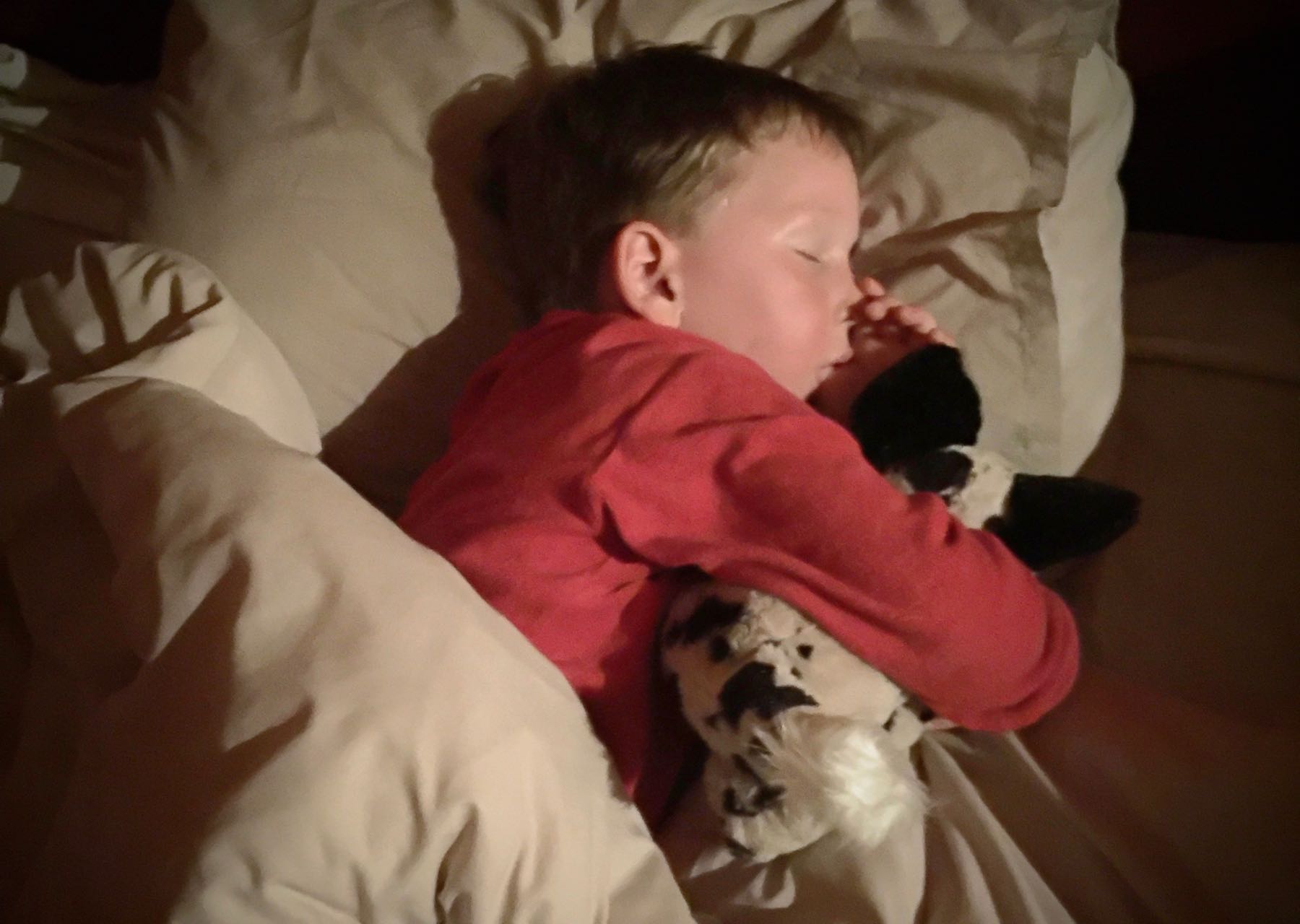
Suicide is the third leading cause of death among 15–29-year-olds, with loneliness and depression prevalent in youth, particularly post-COVID-19. Social media exacerbates unrealistic expectations, leading to anxiety and low self-esteem. To combat chronic loneliness, personal and collective efforts like maintaining connections, engaging in hobbies, and practicing mindfulness are essential.
-
People-perception during COVID-19 outbreak
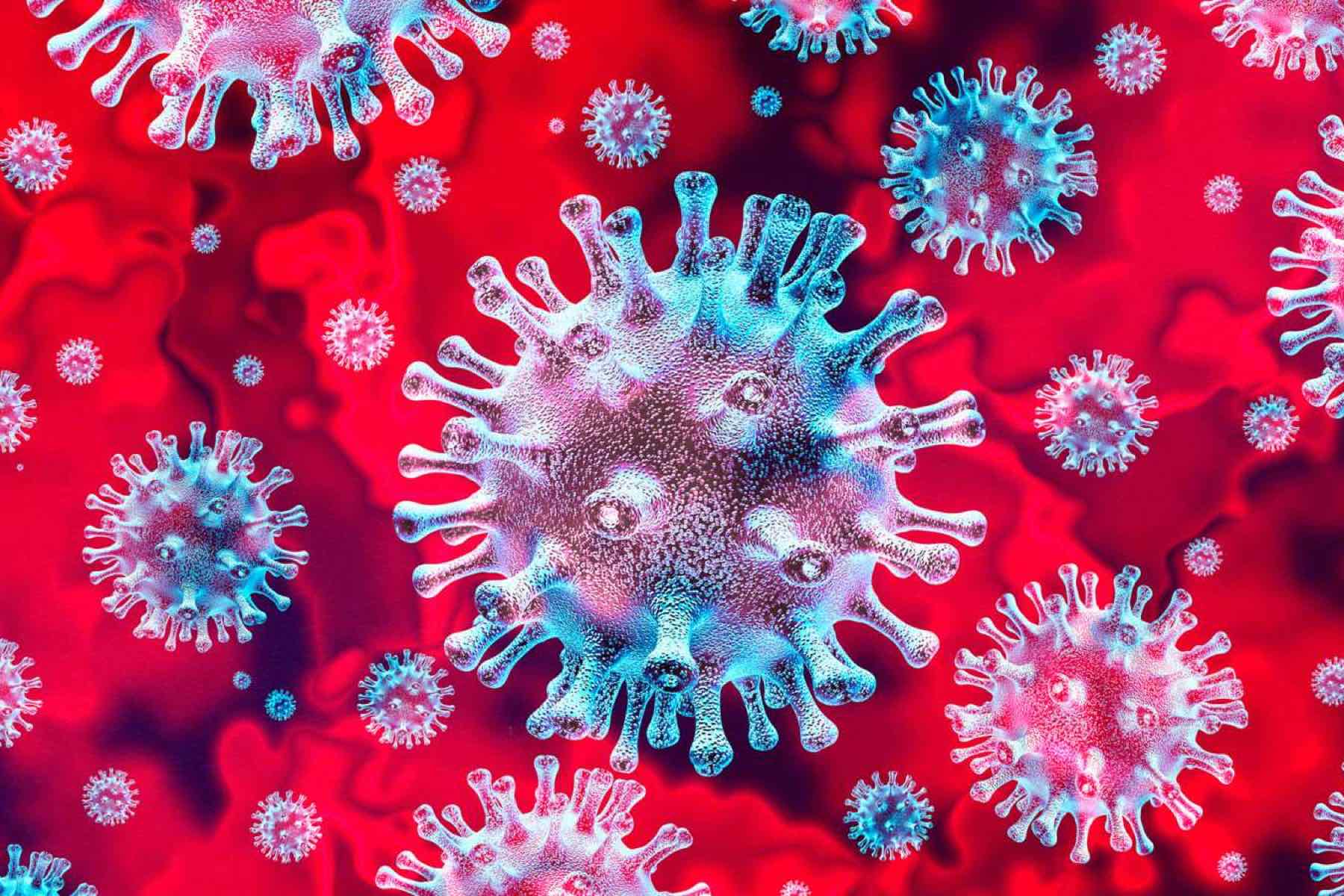
It was in December 2019 that China reported coronavirus infection (COVID-19) in humans. We did not take it as a death threat until the WHO declared COVID-19 infection a pandemic. The viral infection turned into a public health emergency of international concern. That’s when people began to rethink about the adversities of the deadly virus. As the numbers of infected people and casualties started rising on a daily basis, public perception and opinion started to change. The realization dawned upon us that coronavirus is here to stay. And this instigated a widespread support for preventive measures. By the end of February, coronavirus news spread like wild fire on social media with…
-
Keeping your sanity in place!
We are facing a huge COVID-19 challenge all across the globe. People are quarantined at homes and quarantine facilities. There is a lockdown in every country; countries have sealed their borders. Seems like the Coronavirus menace is never-ending! We have succumbed to the lockdown. Every family is within their home space, not for a day but for days together. India is thickly populated in metros and cities. We have limited living space. There are homes where five to seven or more individuals live in a small one-room-kitchen apartment or even in a single room. They have to spend days together in that minimal space. Today, COVID-19 has affected many people…
-
Science Popularization vs Science Communication
I have been a science popularizer for over three-and-a-half decades; I have been a science communicator for just a tad more than one decade. What’s the difference you might ask? A science popularizer is often a scientist with a good turn of phrase or an engaging personality who is able to communicate scientific ideas and facts to the non-specialist in ways that are digestible – entertaining even. It may, less often, be a nonscientist who is able to burrow into the world of science and re-constitute it in a way that is fun and insightful: someone like, say, Bill Bryson. In fact, such science popularization is a part of what…
-
Science Communication: the Chilean way
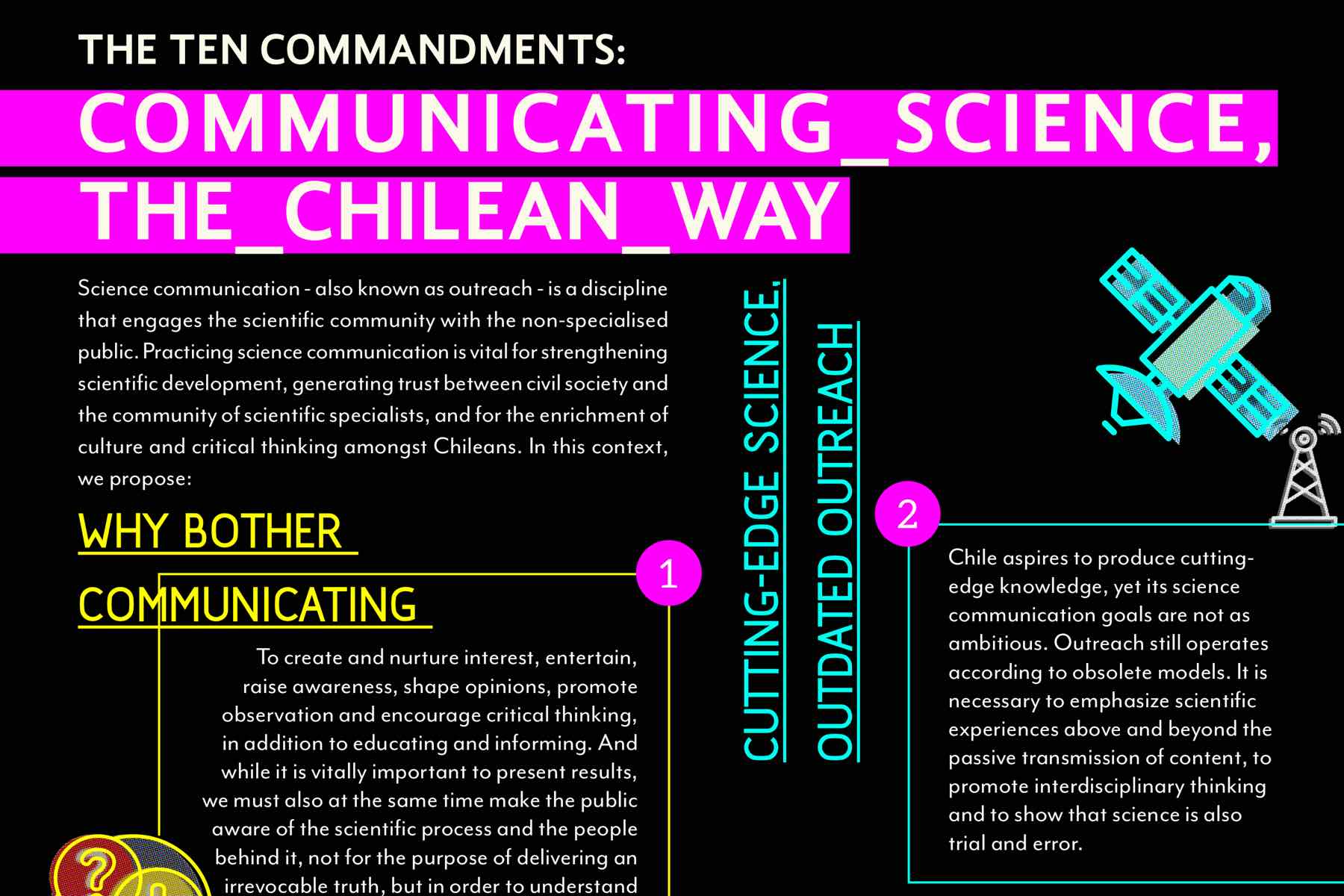
From the end of the world, here comes the Outreach League, a network of women communicators from five Chilean Research Centers who joined efforts to collaborate in science communication inititatives. Because you can’t efectively spread the word alone, can you? We are a team of science communicator practicioners, teachers and researchers who together combine lessons learned in a decade of solo work. Our League is commited to raise the standards of the traditional exercise of science communication in our country, where efforts are usually passionate and good willed, but lack methodology, creativity and self-criticism. No one asked us, but we have strong ideas about how science outreach should be developed…
-
Video as a Tool for Science Communication
Let me tell you a short personal anecdote. Twenty-six years ago, I joined the University of Navarra (Spain) to run a small audiovisual production center called Euroview, whose main goal was to produce audiovisual materials with scientific content. One of the new team’s first initiatives was to organize a meeting of all researchers who might be interested in producing videos to raise awareness of their work. Since there were over 2,000 researchers at the University at that time, we booked a huge room in anticipation of a massive turnout. You can imagine our bitter disappointment when just two scientists turned up. I’ve recalled that anecdote many times over the years,…
-
Yes, Science Communication should get involved with Gun Control!
Just nine months ago, I posed the question: should science communication get involved with gun control? I noted the number of homicides committed by using guns in New Zealand (5 in 2014) compared to the United States (over 15,000 in 2016). Ten days ago, one lone gunman with a collection of semi-automatic assault rifles killed 50 people in Christchurch: ten years’ accumulation of homicides in a matter of minutes! Apart from the tragedy of it all, it underscores just how lethal these weapons can be in the wrong hands and that countries like New Zealand and Norway, with high per capita gun ownership but low homicide rates, cannot be complacent.…
-
Snakebites – a health priority!
In India, snakebites kill around 50,000 people every year. Almost five times more victims survive the bites of venomous snakes but suffer lifelong disabilities such as paralysis, heart failure, irreversible kidney damage, blindness and much more. The magnitude of this crisis is underestimated. In spite of the WHO adding snakebites to the list of ‘Neglected Tropical Diseases’ (NTDs) in June 2017, snakebites are not a health priority in India. This is a grave issue, which requires immediate attention. The snake, serpent, or ‘Naga’ plays an important role in mythology in Asia (e.g. India, China, Cambodia, Korea, Japan, and Nepal), and also in Africa, Egypt, North America, South America and Europe.…
-
The Role of Storytelling in Communicating Science: Marina Joubert interviews Lloyd Spencer Davis
I have been out of action: a combination of illness, travel, and other commitments. I could tell you a story about that, but I thought instead, I’d share this with you, which is all about the place of stories in science communication. A couple of years ago, I was in South Africa, where the lovely Marina Joubert looked after me and my family brilliantly and very generously. She exacted only an ounce of flesh from me in exchange: this interview, which was for the six-week online course she runs about science communication http://www0.sun.ac.za/scicom/course/. Marina is the senior science communication researcher at Stellenbosch University’s Centre for Research on Evaluation, Science and Technology (CREST). She…
-
PCST 2018 Video
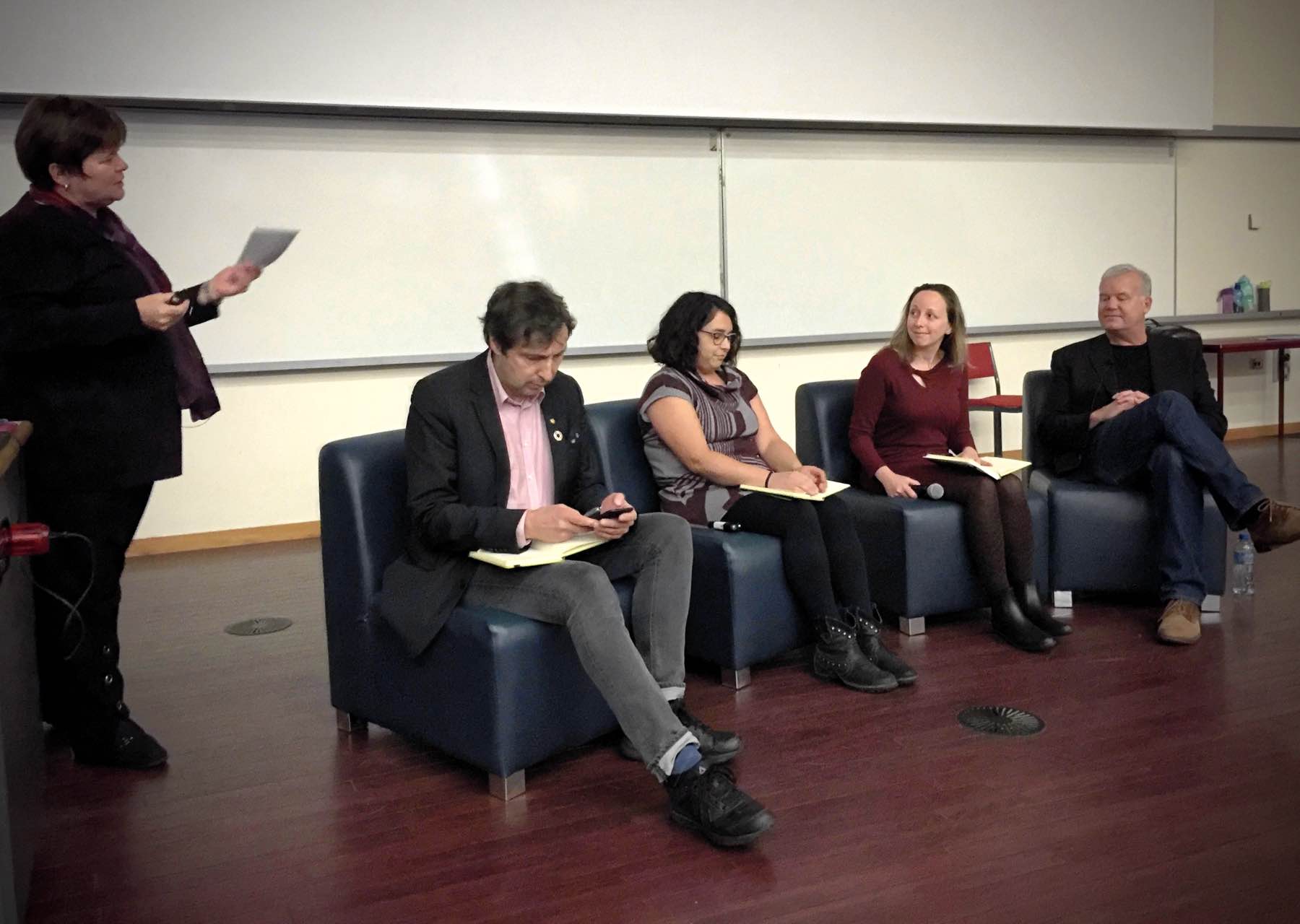
Okay, this is a little different. If a picture can tell a thousand words, then by posting a video, I should pretty much not have to say anything at all! This is a video made by Tourism New Zealand to capture the essence of the Public Communication of Science and Technology (PCST) Conference held in Dunedin, New Zealand from 3-6 April, 2018: The next conference will be in Scotland in 2020. Make sure you go and don’t miss out on all that the PCST Conferences have to offer for anyone interested in the area of science communication,. Photo: Plenary Panel at PCST 2018 featuring (left to right): Marina Joubert, Jan…