-
Living with autoimmune diseases
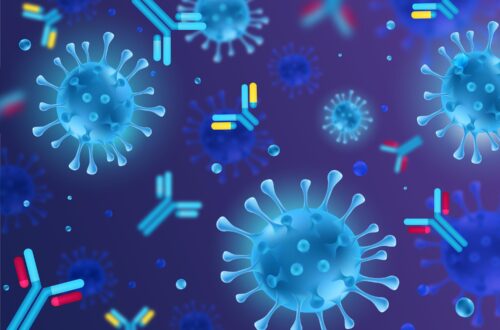
It came as a shocking news when I learnt that one of my friend’s 38-year-old daughter Rita was diagnosed with auto immune disease. Initially Rita showed vague symptoms such as fatigue, pale palms and joint pain. She was doing fine until she started feeling breathless even on walking from her bed to the bathroom. The doctors suggested an array of diagnostic tests and finally they arrived at a conclusion – auto immune disease. In Rita’s case, she had four autoimmune conditions that made her life miserable. Each one of us has a unique defense or immune system, which responds differently to any incoming threat within the body. This is because…
-
Solitude can kill!
Suicide is the third leading cause of death among 15–29-year-olds, with loneliness and depression prevalent in youth, particularly post-COVID-19. Social media exacerbates unrealistic expectations, leading to anxiety and low self-esteem. To combat chronic loneliness, personal and collective efforts like maintaining connections, engaging in hobbies, and practicing mindfulness are essential.
-
People-perception during COVID-19 outbreak
It was in December 2019 that China reported coronavirus infection (COVID-19) in humans. We did not take it as a death threat until the WHO declared COVID-19 infection a pandemic. The viral infection turned into a public health emergency of international concern. That’s when people began to rethink about the adversities of the deadly virus. As the numbers of infected people and casualties started rising on a daily basis, public perception and opinion started to change. The realization dawned upon us that coronavirus is here to stay. And this instigated a widespread support for preventive measures. By the end of February, coronavirus news spread like wild fire on social media with…
-
Keeping your sanity in place!
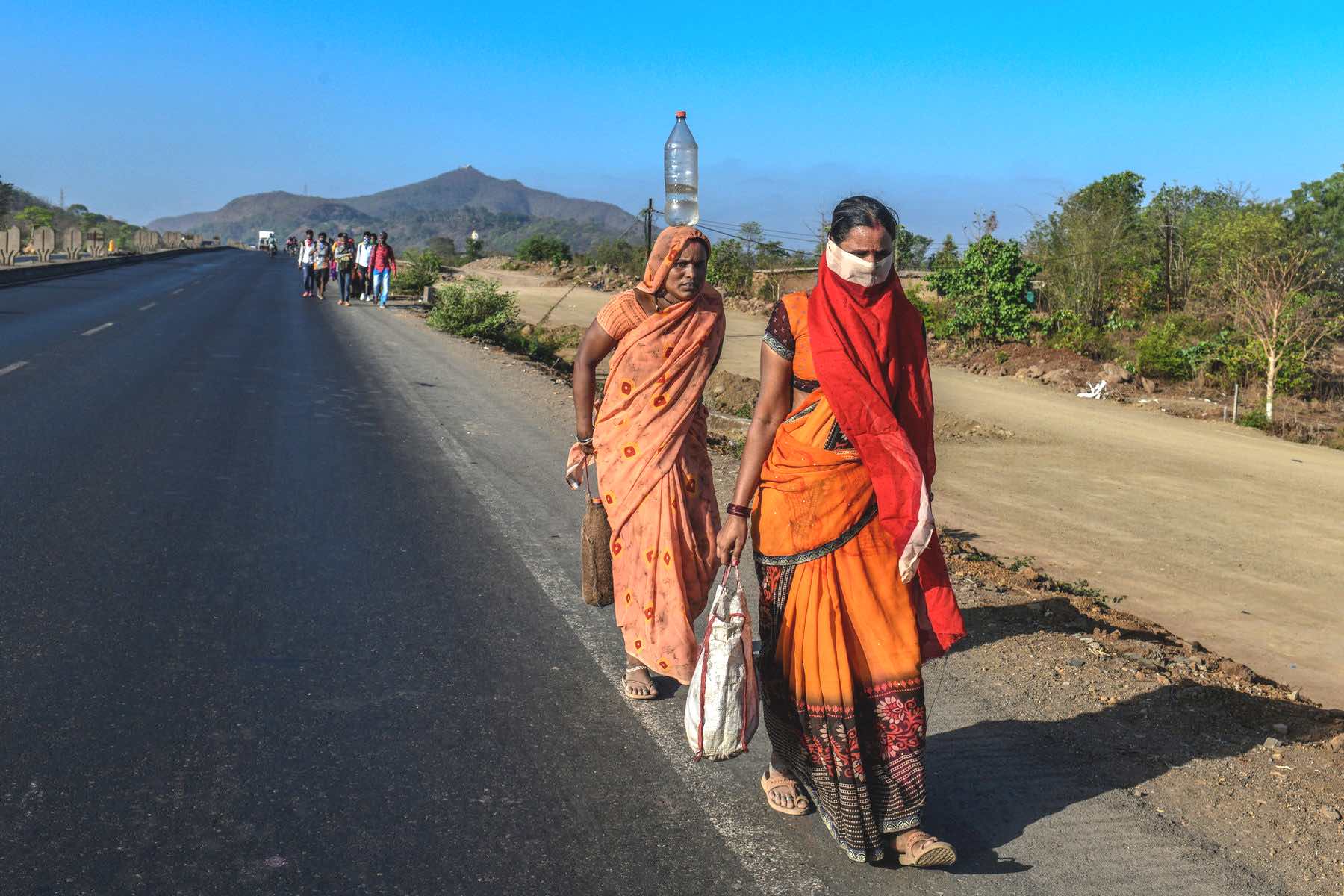
We are facing a huge COVID-19 challenge all across the globe. People are quarantined at homes and quarantine facilities. There is a lockdown in every country; countries have sealed their borders. Seems like the Coronavirus menace is never-ending! We have succumbed to the lockdown. Every family is within their home space, not for a day but for days together. India is thickly populated in metros and cities. We have limited living space. There are homes where five to seven or more individuals live in a small one-room-kitchen apartment or even in a single room. They have to spend days together in that minimal space. Today, COVID-19 has affected many people…
-
Snakebites – a health priority!
In India, snakebites kill around 50,000 people every year. Almost five times more victims survive the bites of venomous snakes but suffer lifelong disabilities such as paralysis, heart failure, irreversible kidney damage, blindness and much more. The magnitude of this crisis is underestimated. In spite of the WHO adding snakebites to the list of ‘Neglected Tropical Diseases’ (NTDs) in June 2017, snakebites are not a health priority in India. This is a grave issue, which requires immediate attention. The snake, serpent, or ‘Naga’ plays an important role in mythology in Asia (e.g. India, China, Cambodia, Korea, Japan, and Nepal), and also in Africa, Egypt, North America, South America and Europe.…
-
What’s with the Sugar Story?
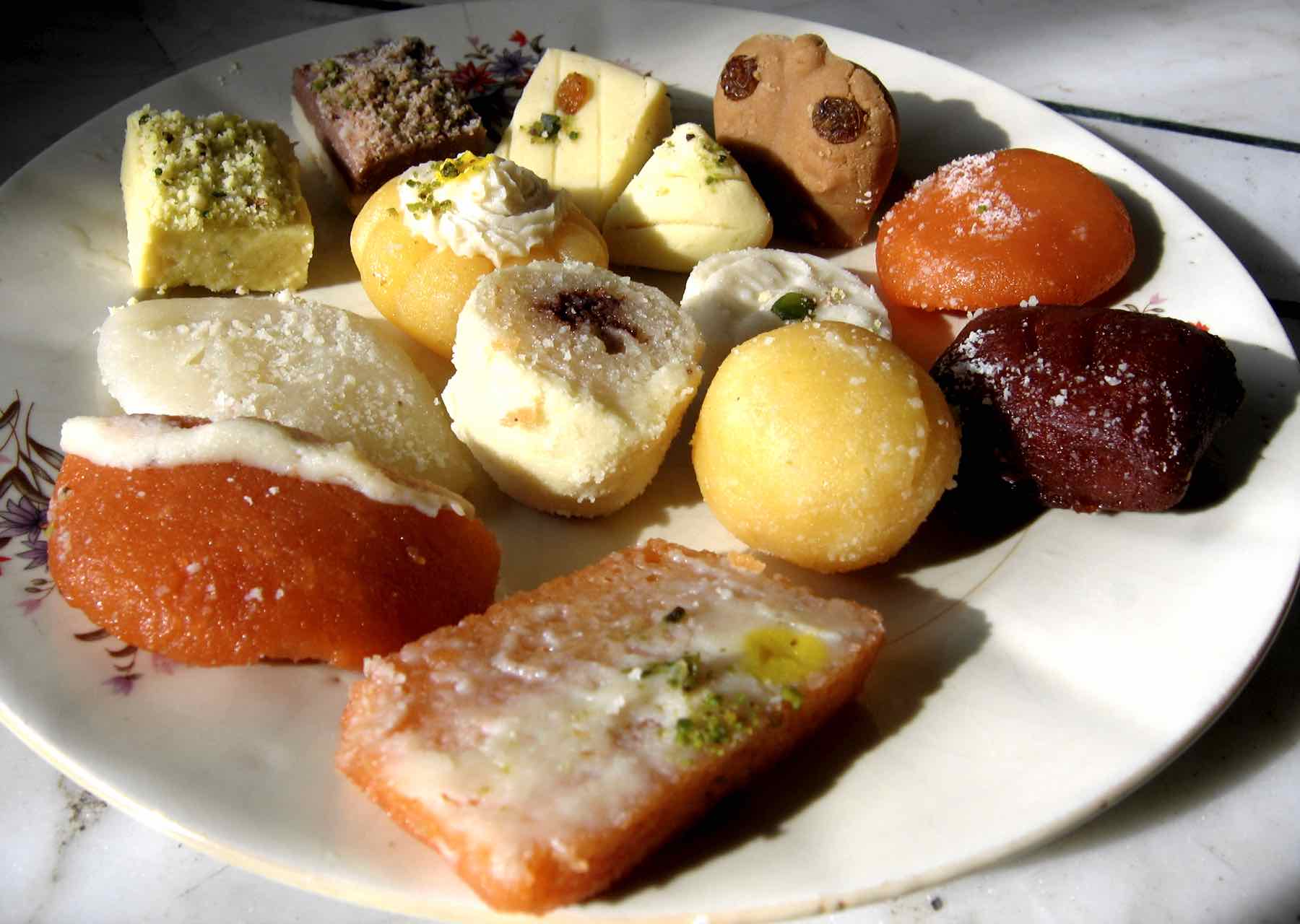
I remember “Nana,” my maternal grandpa, who lived up to 85 years of age, who had four teaspoons of sugar in his cup of tea. He would love sweets and would hog them whenever my granny made them during festivals. In India, we celebrate every festival with fanfare and we have too many of them! Grandpa was a tall, thin and lanky man. He had no chronic disease, no heart problem, no high blood pressure and no diabetes: a healthy man by all standards. He passed away on the operating table during a simple hernia operation because of some anesthesia complication and not because of any disease inflicted upon him…
-
Challenges involved in Communicating Health Science to rural India
Women still pray and bargain with God to bear a male child We are in the 21st century when research in health and medical science has reached new heights. Newer technologies are abundant but health care for the rural population in India needs to become simpler and offer practical health solutions. The rural-urban divide poses a major challenge to providing health services. We need low-tech health innovations that do not compromise effectiveness. But this is not just one problem: there is a whole list! In India, 70% of the population is rural. People speak 22 different Indian languages in varied dialects all across the country. Although the national language is…