-
Science Popularization vs Science Communication
I have been a science popularizer for over three-and-a-half decades; I have been a science communicator for just a tad more than one decade. What’s the difference you might ask? A science popularizer is often a scientist with a good turn of phrase or an engaging personality who is able to communicate scientific ideas and facts to the non-specialist in ways that are digestible – entertaining even. It may, less often, be a nonscientist who is able to burrow into the world of science and re-constitute it in a way that is fun and insightful: someone like, say, Bill Bryson. In fact, such science popularization is a part of what…
-
Yes, Science Communication should get involved with Gun Control!
Just nine months ago, I posed the question: should science communication get involved with gun control? I noted the number of homicides committed by using guns in New Zealand (5 in 2014) compared to the United States (over 15,000 in 2016). Ten days ago, one lone gunman with a collection of semi-automatic assault rifles killed 50 people in Christchurch: ten years’ accumulation of homicides in a matter of minutes! Apart from the tragedy of it all, it underscores just how lethal these weapons can be in the wrong hands and that countries like New Zealand and Norway, with high per capita gun ownership but low homicide rates, cannot be complacent.…
-
The Role of Storytelling in Communicating Science: Marina Joubert interviews Lloyd Spencer Davis
I have been out of action: a combination of illness, travel, and other commitments. I could tell you a story about that, but I thought instead, I’d share this with you, which is all about the place of stories in science communication. A couple of years ago, I was in South Africa, where the lovely Marina Joubert looked after me and my family brilliantly and very generously. She exacted only an ounce of flesh from me in exchange: this interview, which was for the six-week online course she runs about science communication http://www0.sun.ac.za/scicom/course/. Marina is the senior science communication researcher at Stellenbosch University’s Centre for Research on Evaluation, Science and Technology (CREST). She…
-
PCST 2018 Video
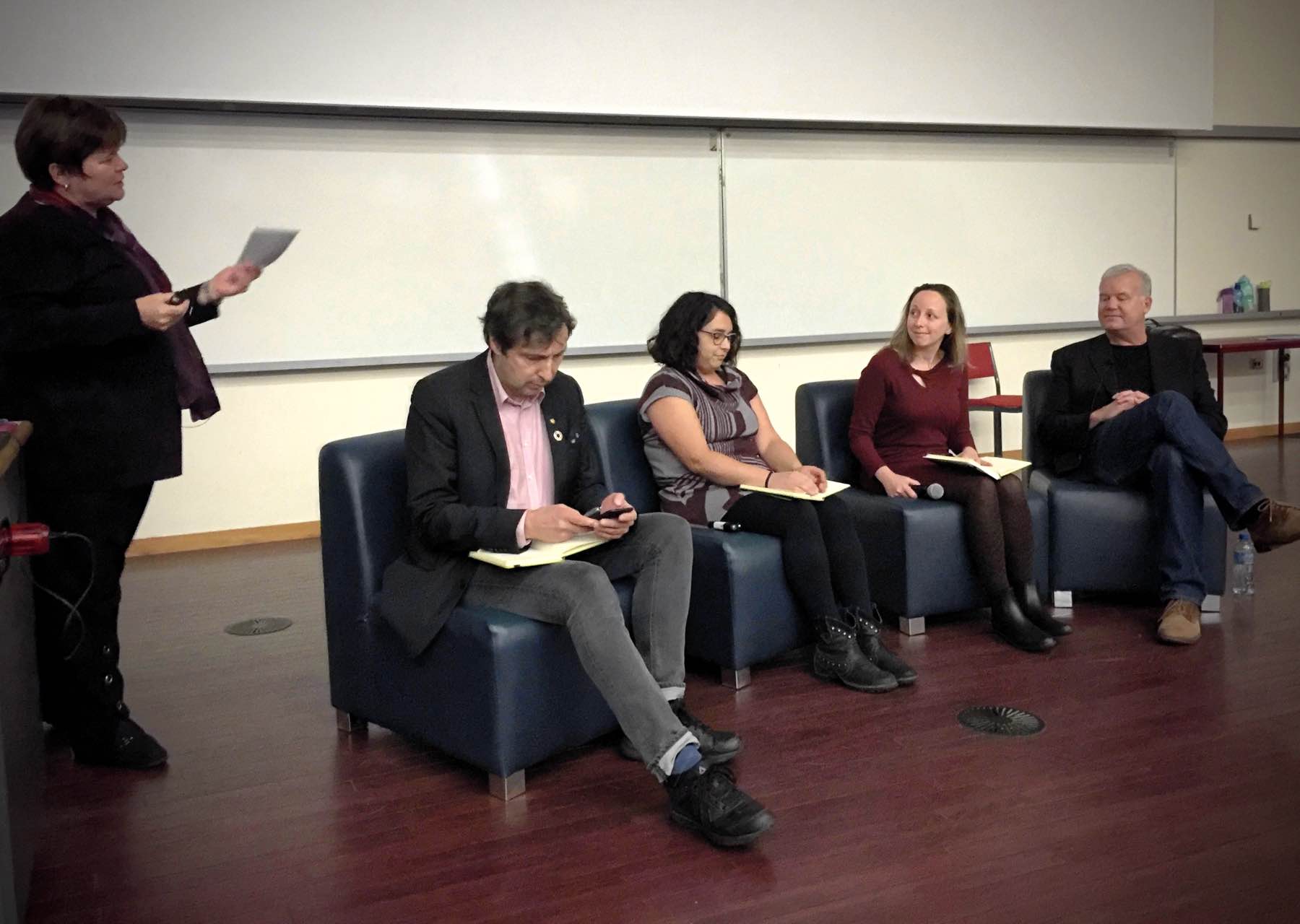
Okay, this is a little different. If a picture can tell a thousand words, then by posting a video, I should pretty much not have to say anything at all! This is a video made by Tourism New Zealand to capture the essence of the Public Communication of Science and Technology (PCST) Conference held in Dunedin, New Zealand from 3-6 April, 2018: The next conference will be in Scotland in 2020. Make sure you go and don’t miss out on all that the PCST Conferences have to offer for anyone interested in the area of science communication,. Photo: Plenary Panel at PCST 2018 featuring (left to right): Marina Joubert, Jan…
-
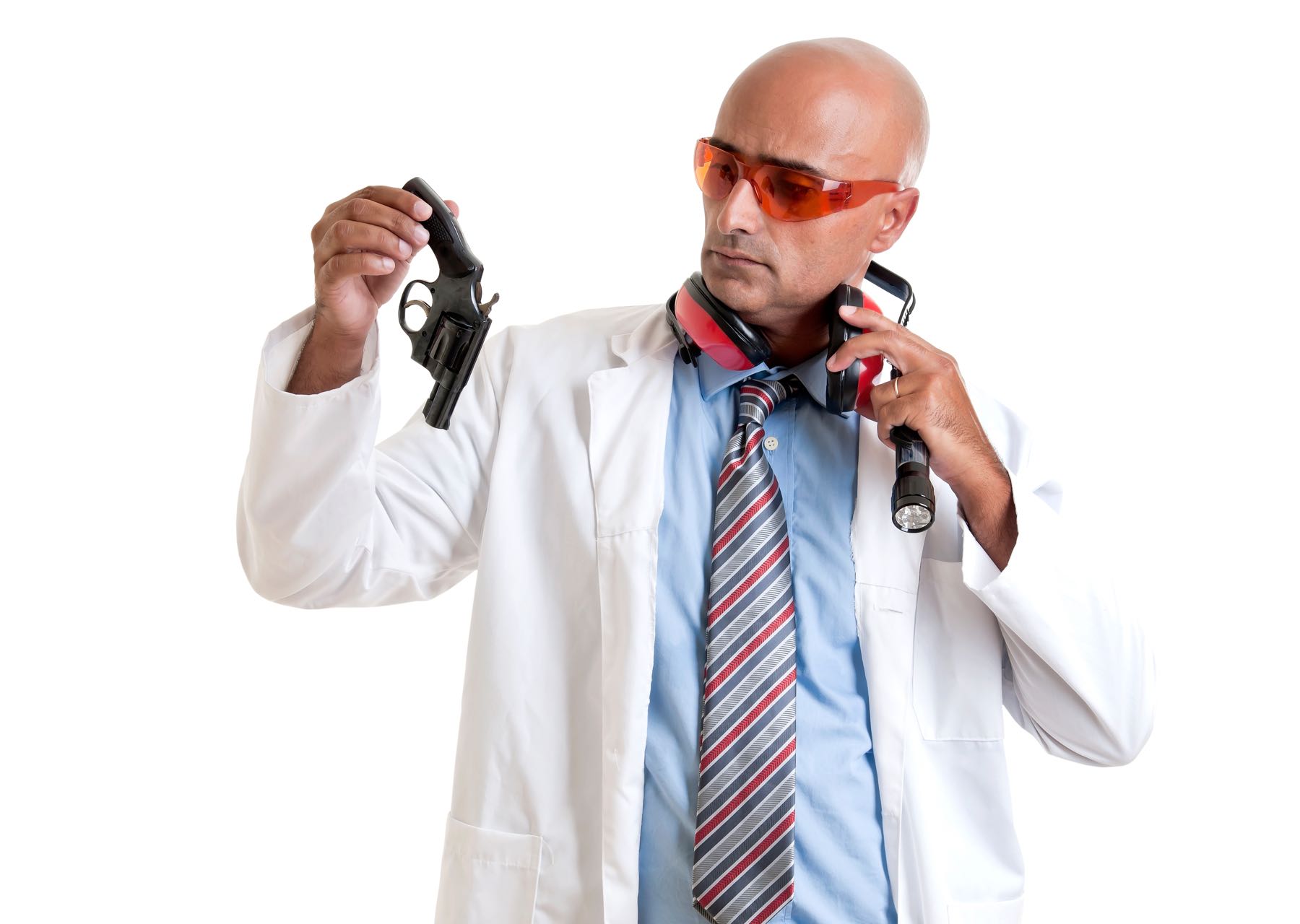
Gun Control: should Science Communication get Involved?
I live in New Zealand, where two items on the national news over this last week really caught my attention. The first was a report that a student at a school in Auckland had been punched by another, causing him to fall and hit his head, which required him to be hospitalised. This was just over a week after another student at another school – this one in Texas – used a shotgun and .38 revolver to kill 10 people and injure 10 others. The second news item occurred just yesterday morning: it was reported that a police dog had been stabbed with a knife. This wasn’t just any news…
-
Science Communication should wear its Heart more on its Sleeve
Recently, I was a co-author of a paper published in the journal Environmental Communication examining the differences and similarities between science communication and environmental communication. The paper covers many aspects, from the historical development of each field of study to overlaps in scope and differences in focus. However, there was one point that emerged from our review that seemed more salient to me than all the rest; at least as it applies to those of us who purport to be science communicators. Almost all science communication is concerned with the transfer of knowledge about issues involving science and technology. Yet, much like the discipline we report on, science communicators tend…
-
Citizen Science is not all it is cracked up to be
William Shakespeare wrote the play As You Like It over 400 years ago. It contains a famous monologue, often referred to as the Seven Ages of Man – although, if Bill were writing it today, it should no doubt be called the Seven Ages of Humans. It begins, “All the world’s a stage, and all the men and women merely players.” The major point that Shakespeare makes is that there are several ages (seven to be precise) or acts that we go through as we mature. It is not too much of a stretch to suggest that stages of maturation are common to any growing thing, even something as obtuse…
-
Storytelling: the importance of truth and a good ending
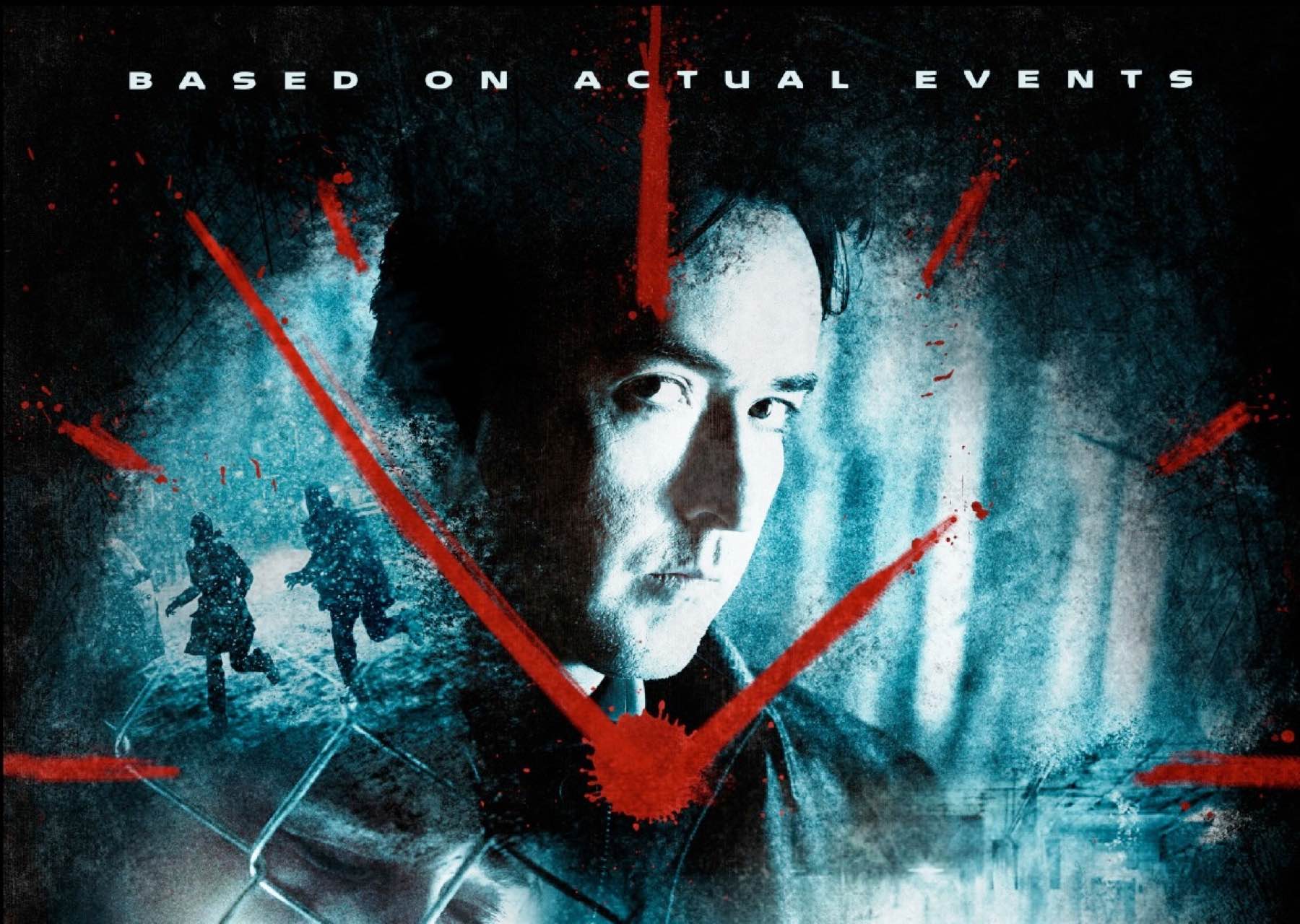
Last night I watched a film called The Factory, which was released on DVD in 2013, fully five years after the completion of filming and following a very limited theatrical release in late 2012. The film fits squarely into the crime-thriller genre and supposedly is “based on actual events.” Without giving too much away, it involves a cop (played by the highly watchable John Cusack) who, together with his sidekick, is trying to track down a serial kidnapper and killer of prostitutes. Dallas Roberts provides a suitably unsettling portrayal of the killer who, it turns out, is intent on making babies with his victims. Despite the grim nature of its…
-
The Public Communication of Science and Technology
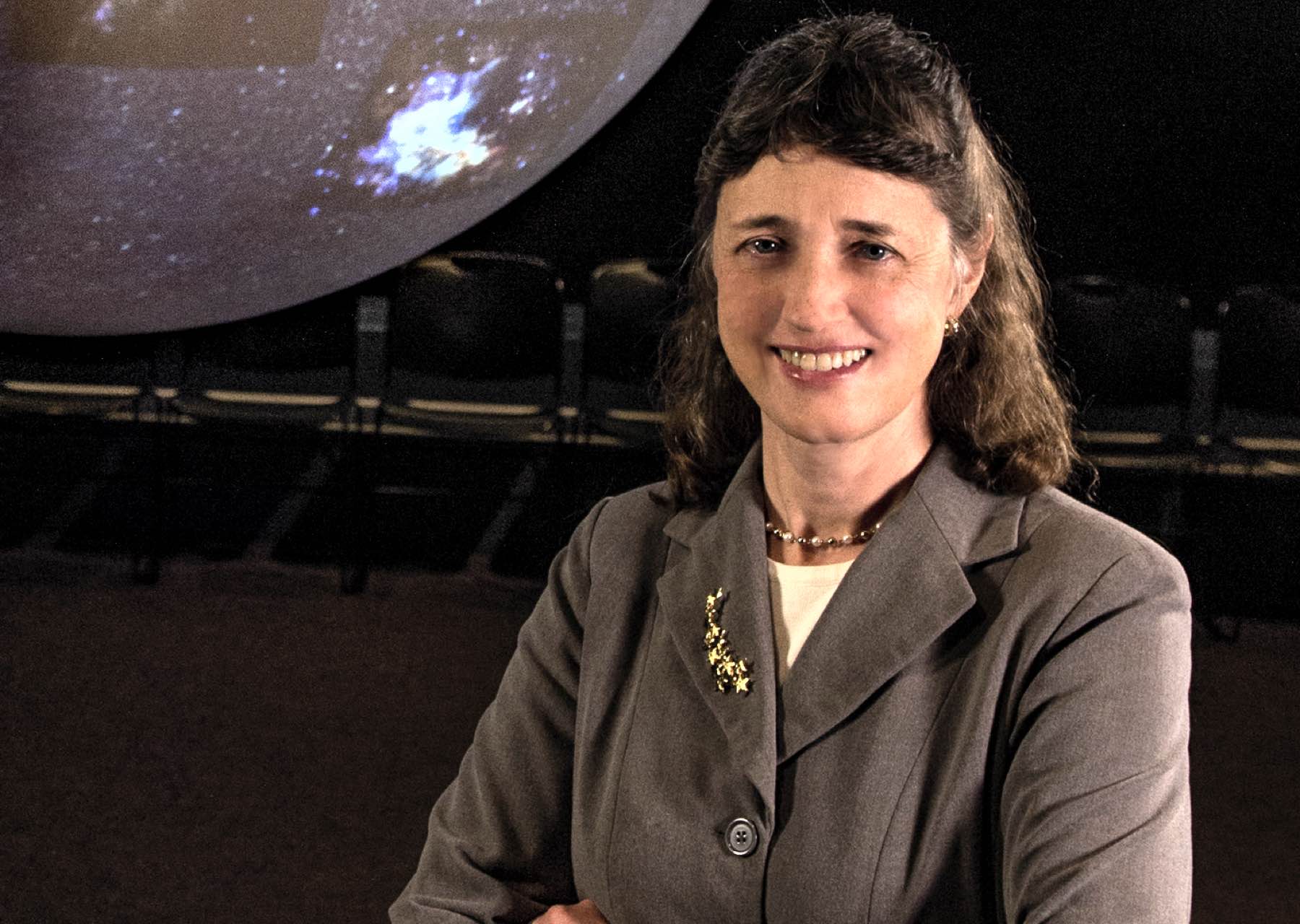
The premiere conference for science communicators is the biennial PCST Conference, which this year was held in Dunedin, New Zealand, from 3 – 6 April. The initials PCST stand for “Public Communication of Science and Technology.” Ironically, however, the public is typically excluded from the PCST Conference events, which are aimed at researchers and practitioners in the field of science communication. This time, we decided to do something different and have the address by one of our keynote speakers – Dr Jennifer Wiseman, chief scientist for NASA’s Hubble Telescope – open to the public. We held the event in Dunedin’s glorious Regent Theatre and there were nearly 1,000 people in…
-
Is Writing Becoming an Irrelevant form of Communication?
It takes a lot of confidence to call yourself a writer. I had published several books and won a handful of awards before I dared to put my occupation down as “writer” on any form. It was a seminal moment in my life, one that I remember well: the first time I let myself believe that I actually deserved to be called a writer. And yet, I have always been a writer. Just as I need to breathe in order to get oxygen to the cells in my body, I need to write in order to derive a type of satisfaction for my soul that comes only from writing. I…