
Living with autoimmune diseases
It came as a shocking news when I learnt that one of my friend’s 38-year-old daughter Rita was diagnosed with auto immune disease. Initially Rita showed vague symptoms such as fatigue, pale palms and joint pain. She was doing fine until she started feeling breathless even on walking from her bed to the bathroom. The doctors suggested an array of diagnostic tests and finally they arrived at a conclusion – auto immune disease. In Rita’s case, she had four autoimmune conditions that made her life miserable.
Each one of us has a unique defense or immune system, which responds differently to any incoming threat within the body. This is because of differences in genetics, lifestyle and other factors. A healthy immune system has white blood cells called T cells, which are body’s defenders. These fight for us against infection. What happens if this natural defense system fails? This is the reality for people with autoimmune disease. The immune system struggles to distinguish between an ally and an enemy! It simply attacks the healthy cells perhaps by mistake.
Today, autoimmune disorders are on the rise affecting around 1 in 10 people globally. The escalating trend is more common in young adults of 15-39 years. This indeed is a global concern. Amongst the millions affected with the disease, 80 percent are women! That accounts for nearly 4 out of 5 women who are afflicted with auto immune disease.
Auto immune diseases disproportionately affect women who have to face an invisible burden. Rita’s family members and friends would say, “Hey you don’t look sick!” But for Rita, the disease began disrupting her daily routine and led to uncertainty, social isolation and anxiety. Physical symptoms took emotional and mental toll making life burdensome for her. Research studies have shown that women complaining of chronic pain are likely to have their symptoms ascribed to mental health issues. And this typically delays care in case of autoimmune diseases. An early diagnosis can initiate immediate treatment and care.
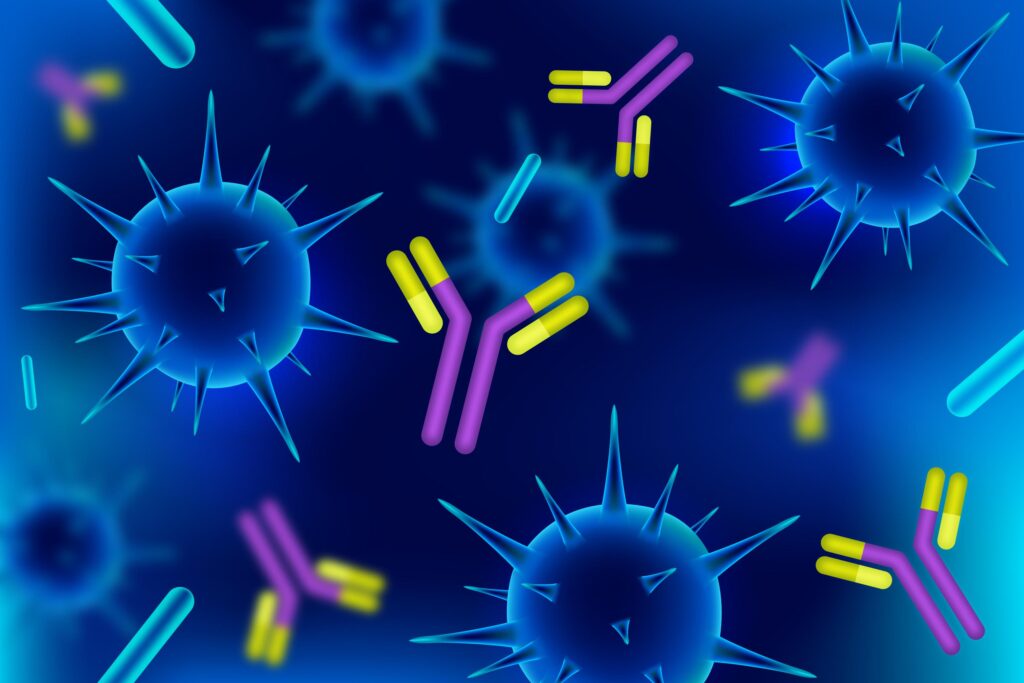
Typically, a woman with an autoimmune disease may show several overlapping symptoms because of possibly getting afflicted with two to four health conditions. Normally, antibodies or proteins that our immune system makes, fight against the foreign invaders such as viruses and bacteria. The antinuclear antibodies (ANA) attack our healthy cells instead. It is normal to have a few ANA in our blood. However, a large number of ANA in the blood indicates an autoimmune disorder. The disorder occurs when our own immune system attacks the healthy cells of our organs and tissues giving rise to serious health problems.
Seemingly, life has returned to normal after COVID-19 and yet its long-term health effects have begun to resurface. According to a study published by Metropolis Healthcare in the International Journal of Clinical Biochemistry and Research (IJCBR), a 30.24 percent increase in ANA was observed in India, linking this surge to COVID-19 pandemic after comparing pre-pandemic and post-pandemic data.
An ANA test is the key indicator for autoimmune disorders, which include a number of conditions such as systemic lupus erythematosus (SLE) that affects joints skin, heart, lungs, blood vessels, kidneys and brain. Rheumatoid arthritis, a condition causing painful and swollen joints of the wrists, hands and feet, scleroderma, which affects the skin, blood vessels and organs, Sjogren’s syndrome that affects the glands that make saliva and tears and other parts of the body, Addison disease, which affect the adrenal glands, causing fatigue and weakness, autoimmune hepatitis that causes liver swelling, multiple sclerosis, psoriasis, thyroid diseases – all are conditions recognized as autoimmune disorders amongst the many 100 types.
Why would our own immune cells go against us? And that too why women? Experts blame it on genetics of women wherein the female XX chromosome plays a role. Hormonal fluctuations during puberty, pregnancy and menopause can be the triggers or these may worsen the conditions. Environmental factors such as stress, gut health and infections can also be the triggers.
What’s important is to rejuvenate the out-of-whack immune system. When we are being attacked by our immune cells instead of protecting us, the treatment aims towards fixing the cause. The resetting and reprogramming of the ‘bad’ cells is the treatment. After decades of failed attempts, scientists may finally be able to develop therapies to reverse the self-destruction phenomenon of the immune cells and restoring the normal immune response. Researchers suggest Chimeric antigen receptor (CAR) T cell therapy, in which the person’s immune system is re-engineered to identify, attack and destroy certain proteins on cell surfaces. The treatment may improve symptoms of people living with the condition.
2025 marks a significant scientific year for autoimmune diseases because of the Nobel Prize-winning insights into immune regulation. Mary E. Brunkow, Fred Ramsdell and Shimon Sakaguchi were awarded the 2025 Nobel Prize in Physiology/Medicine for the discovery of peripheral immune tolerance, identifying regulatory T cells (Tregs), which act as “security guards” to stop the immune system from attacking the body. This breakthrough lays a foundation for treatment of autoimmune diseases, cancer and transplant rejection.
The Nobel prize winners explained how the immune system learns to tolerate “self” that is body’s own tissues. Brunkow and Ramsdell linked the FOXP3 gene to the regulatory functions in the body that are important for understanding autoimmune disorders. Their findings are key to evolving therapies for conditions such as Type 1 diabetes, rheumatoid arthritis and multiple sclerosis.
It is sad to see patients like Rita who are on costly medications, injections, infusions, which often have side effects. In spite of the therapies the disease may not be cured. Nothing is helping Rita. The disease is progressing. It has affected her lungs and kidneys. She has trouble breathing. My heart goes out to Rita. I strongly would want all those suffering from this disorder to be aware and not lose hope.
There is no cure for autoimmune disorder. Remission comes as a relief but relapse can occur at any time. It all depends upon the type of affliction that the individual has. Treatment can vary from person to person. Immunotherapy helps boost the immune system to treat the disease but immunotherapy may not treat every autoimmune disorder. Unfortunately, there are no preventive measures as well for autoimmune disorders. The good part, however, is that the person can live a ‘full life’ even with the disease. Strong self-care including healthy diet, exercise and stress management helps to normalize the immune system thus reducing symptoms. Be aware, get tested, be patient and caring if you or your loved one is living with an autoimmune disease.
You May Also Like

Yes, Science Communication should get involved with Gun Control!

What’s with the Sugar Story?