-
Science Popularization vs Science Communication
I have been a science popularizer for over three-and-a-half decades; I have been a science communicator for just a tad more than one decade. What’s the difference you might ask? A science popularizer is often a scientist with a good turn of phrase or an engaging personality who is able to communicate scientific ideas and facts to the non-specialist in ways that are digestible – entertaining even. It may, less often, be a nonscientist who is able to burrow into the world of science and re-constitute it in a way that is fun and insightful: someone like, say, Bill Bryson. In fact, such science popularization is a part of what…
-
Science Communication: the Chilean way
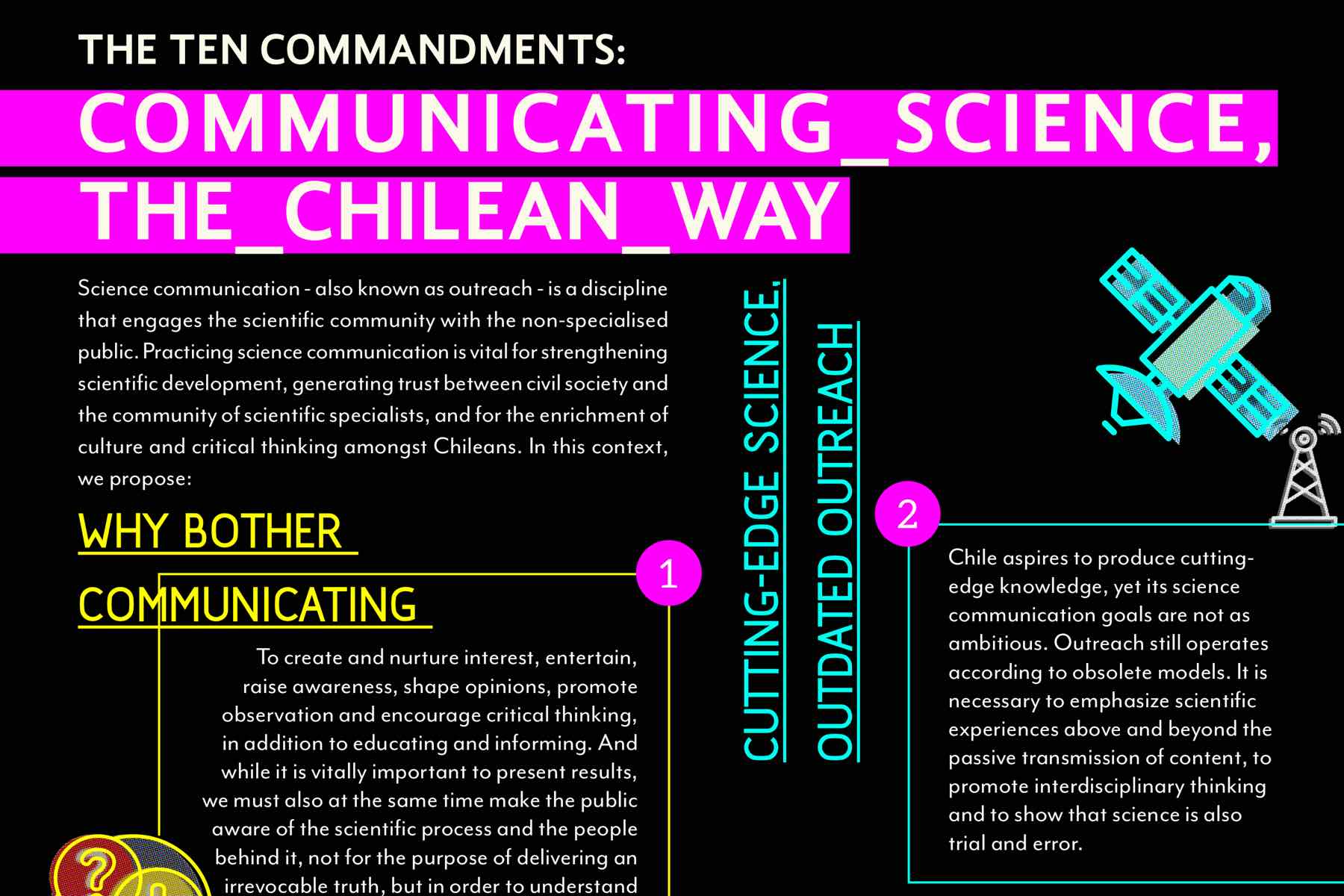
From the end of the world, here comes the Outreach League, a network of women communicators from five Chilean Research Centers who joined efforts to collaborate in science communication inititatives. Because you can’t efectively spread the word alone, can you? We are a team of science communicator practicioners, teachers and researchers who together combine lessons learned in a decade of solo work. Our League is commited to raise the standards of the traditional exercise of science communication in our country, where efforts are usually passionate and good willed, but lack methodology, creativity and self-criticism. No one asked us, but we have strong ideas about how science outreach should be developed…
-
Yes, Science Communication should get involved with Gun Control!
Just nine months ago, I posed the question: should science communication get involved with gun control? I noted the number of homicides committed by using guns in New Zealand (5 in 2014) compared to the United States (over 15,000 in 2016). Ten days ago, one lone gunman with a collection of semi-automatic assault rifles killed 50 people in Christchurch: ten years’ accumulation of homicides in a matter of minutes! Apart from the tragedy of it all, it underscores just how lethal these weapons can be in the wrong hands and that countries like New Zealand and Norway, with high per capita gun ownership but low homicide rates, cannot be complacent.…
-
What’s with the Sugar Story?
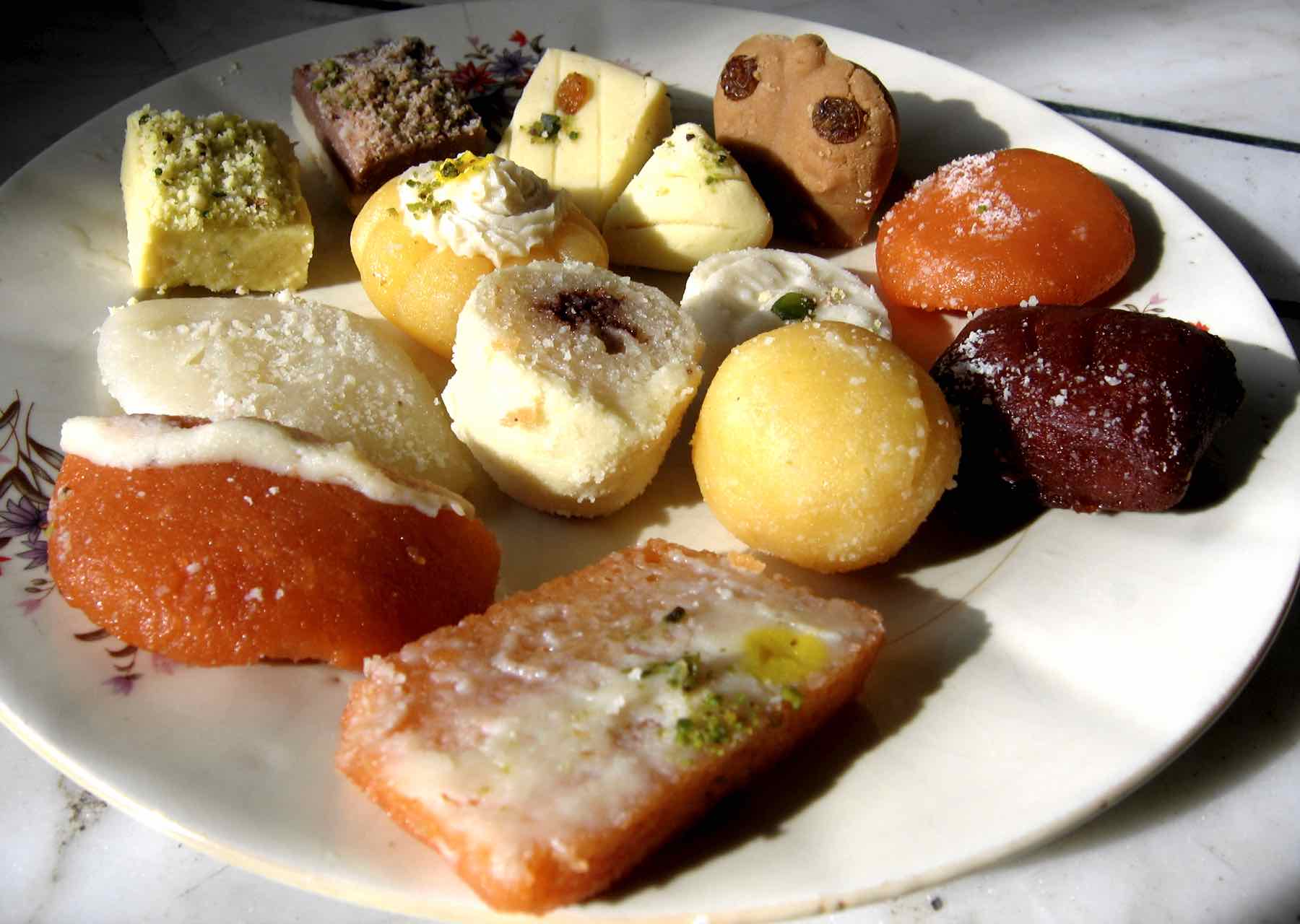
I remember “Nana,” my maternal grandpa, who lived up to 85 years of age, who had four teaspoons of sugar in his cup of tea. He would love sweets and would hog them whenever my granny made them during festivals. In India, we celebrate every festival with fanfare and we have too many of them! Grandpa was a tall, thin and lanky man. He had no chronic disease, no heart problem, no high blood pressure and no diabetes: a healthy man by all standards. He passed away on the operating table during a simple hernia operation because of some anesthesia complication and not because of any disease inflicted upon him…
-
Gun Control: should Science Communication get Involved?
I live in New Zealand, where two items on the national news over this last week really caught my attention. The first was a report that a student at a school in Auckland had been punched by another, causing him to fall and hit his head, which required him to be hospitalised. This was just over a week after another student at another school – this one in Texas – used a shotgun and .38 revolver to kill 10 people and injure 10 others. The second news item occurred just yesterday morning: it was reported that a police dog had been stabbed with a knife. This wasn’t just any news…
-
Challenges involved in Communicating Health Science to rural India
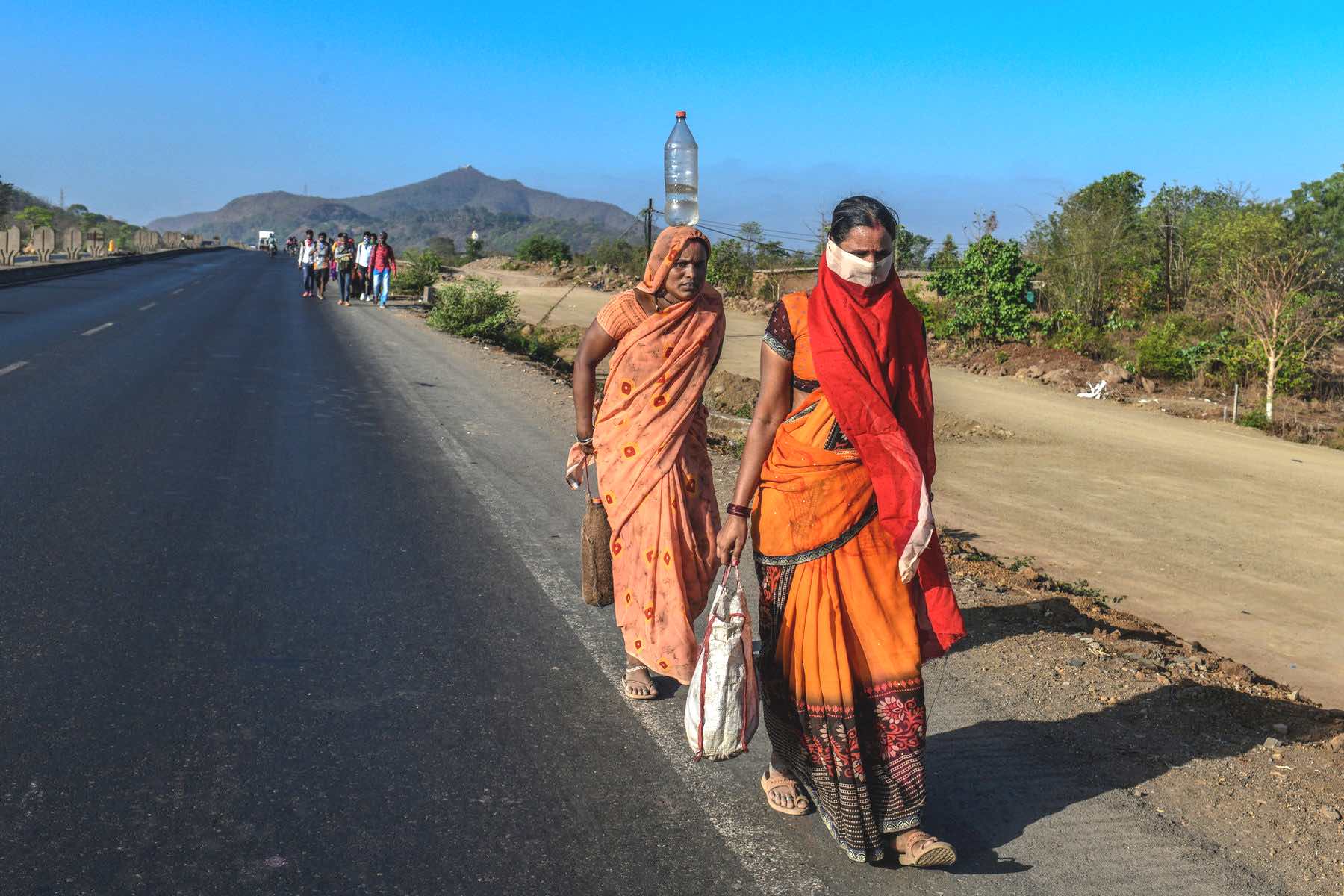
Women still pray and bargain with God to bear a male child We are in the 21st century when research in health and medical science has reached new heights. Newer technologies are abundant but health care for the rural population in India needs to become simpler and offer practical health solutions. The rural-urban divide poses a major challenge to providing health services. We need low-tech health innovations that do not compromise effectiveness. But this is not just one problem: there is a whole list! In India, 70% of the population is rural. People speak 22 different Indian languages in varied dialects all across the country. Although the national language is…
-
Citizen Science is not all it is cracked up to be
William Shakespeare wrote the play As You Like It over 400 years ago. It contains a famous monologue, often referred to as the Seven Ages of Man – although, if Bill were writing it today, it should no doubt be called the Seven Ages of Humans. It begins, “All the world’s a stage, and all the men and women merely players.” The major point that Shakespeare makes is that there are several ages (seven to be precise) or acts that we go through as we mature. It is not too much of a stretch to suggest that stages of maturation are common to any growing thing, even something as obtuse…
-
The Public Communication of Science and Technology
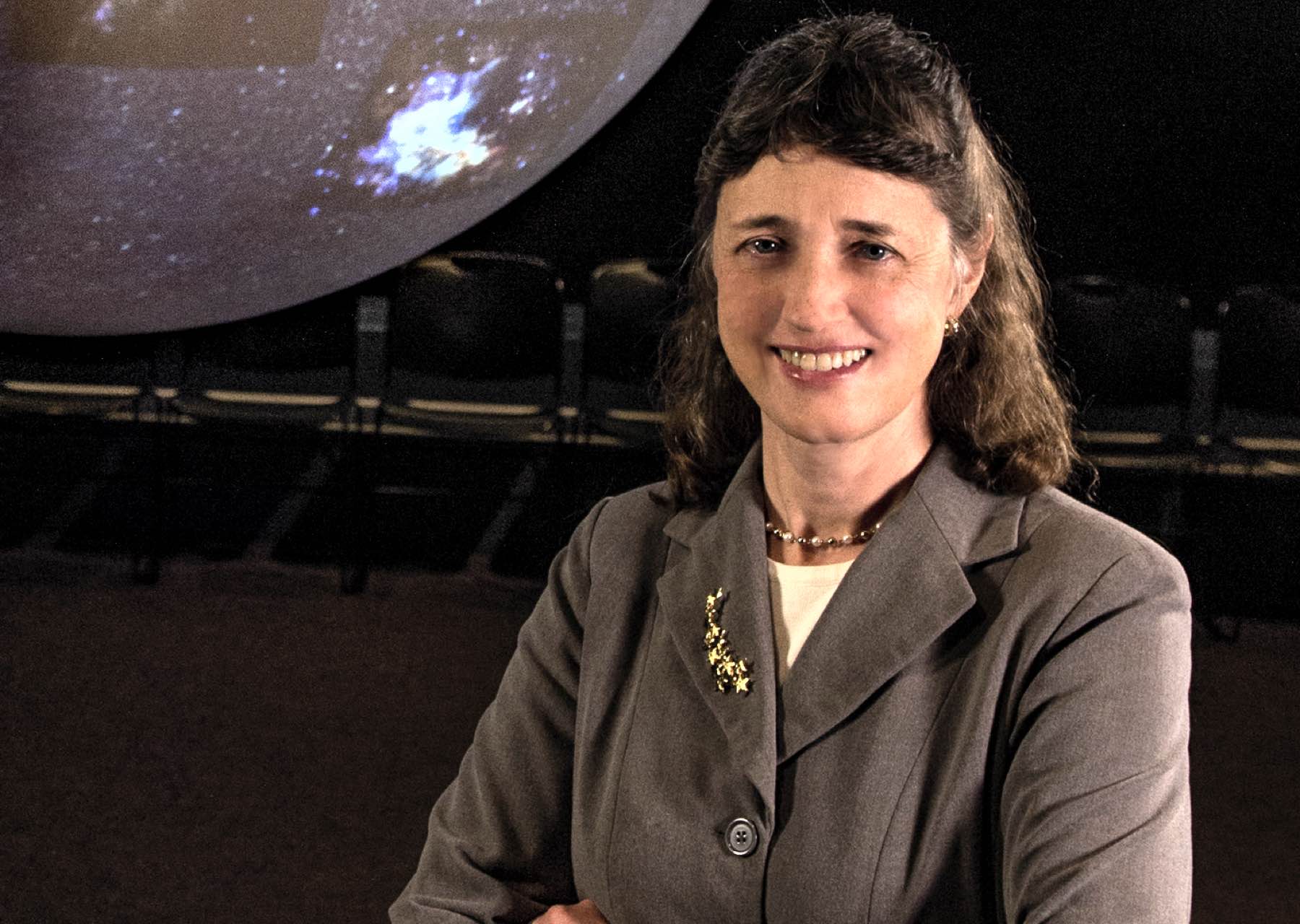
The premiere conference for science communicators is the biennial PCST Conference, which this year was held in Dunedin, New Zealand, from 3 – 6 April. The initials PCST stand for “Public Communication of Science and Technology.” Ironically, however, the public is typically excluded from the PCST Conference events, which are aimed at researchers and practitioners in the field of science communication. This time, we decided to do something different and have the address by one of our keynote speakers – Dr Jennifer Wiseman, chief scientist for NASA’s Hubble Telescope – open to the public. We held the event in Dunedin’s glorious Regent Theatre and there were nearly 1,000 people in…
-
Is Writing Becoming an Irrelevant form of Communication?
It takes a lot of confidence to call yourself a writer. I had published several books and won a handful of awards before I dared to put my occupation down as “writer” on any form. It was a seminal moment in my life, one that I remember well: the first time I let myself believe that I actually deserved to be called a writer. And yet, I have always been a writer. Just as I need to breathe in order to get oxygen to the cells in my body, I need to write in order to derive a type of satisfaction for my soul that comes only from writing. I…
-
Come to Middle Earth for PCST 2018
For my sins, I am the Chair of the Local Organising Committee for the PCST (Public Communication of Science and Technology) Conference, 2018. This is the largest and most significant international meeting of science communicators and it occurs every two years. From 3 – 6 April, it shall be held in New Zealand for the first time, attracting over 500 of the world’s science communicators – a mixture of both researchers and practitioners – to our wee part of the globe, or Middle Earth as Sir Peter Jackson likes to call it. Science Communication is a relatively new field and these gatherings assume an importance not unlike the migrations of…