-
The Role of Storytelling in Communicating Science: Marina Joubert interviews Lloyd Spencer Davis
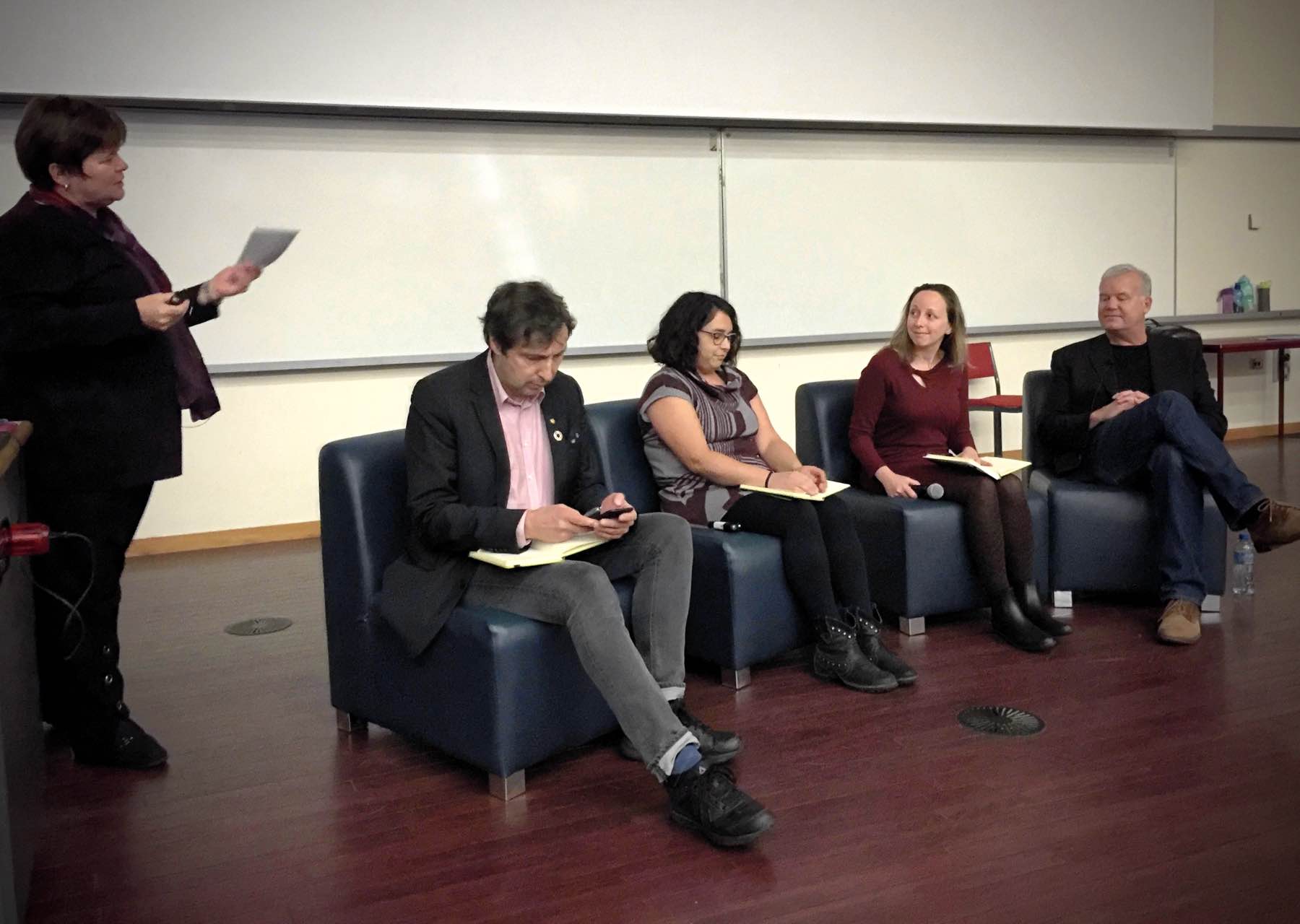
I have been out of action: a combination of illness, travel, and other commitments. I could tell you a story about that, but I thought instead, I’d share this with you, which is all about the place of stories in science communication. A couple of years ago, I was in South Africa, where the lovely Marina Joubert looked after me and my family brilliantly and very generously. She exacted only an ounce of flesh from me in exchange: this interview, which was for the six-week online course she runs about science communication http://www0.sun.ac.za/scicom/course/. Marina is the senior science communication researcher at Stellenbosch University’s Centre for Research on Evaluation, Science and Technology (CREST). She…
-
Gun Control: should Science Communication get Involved?
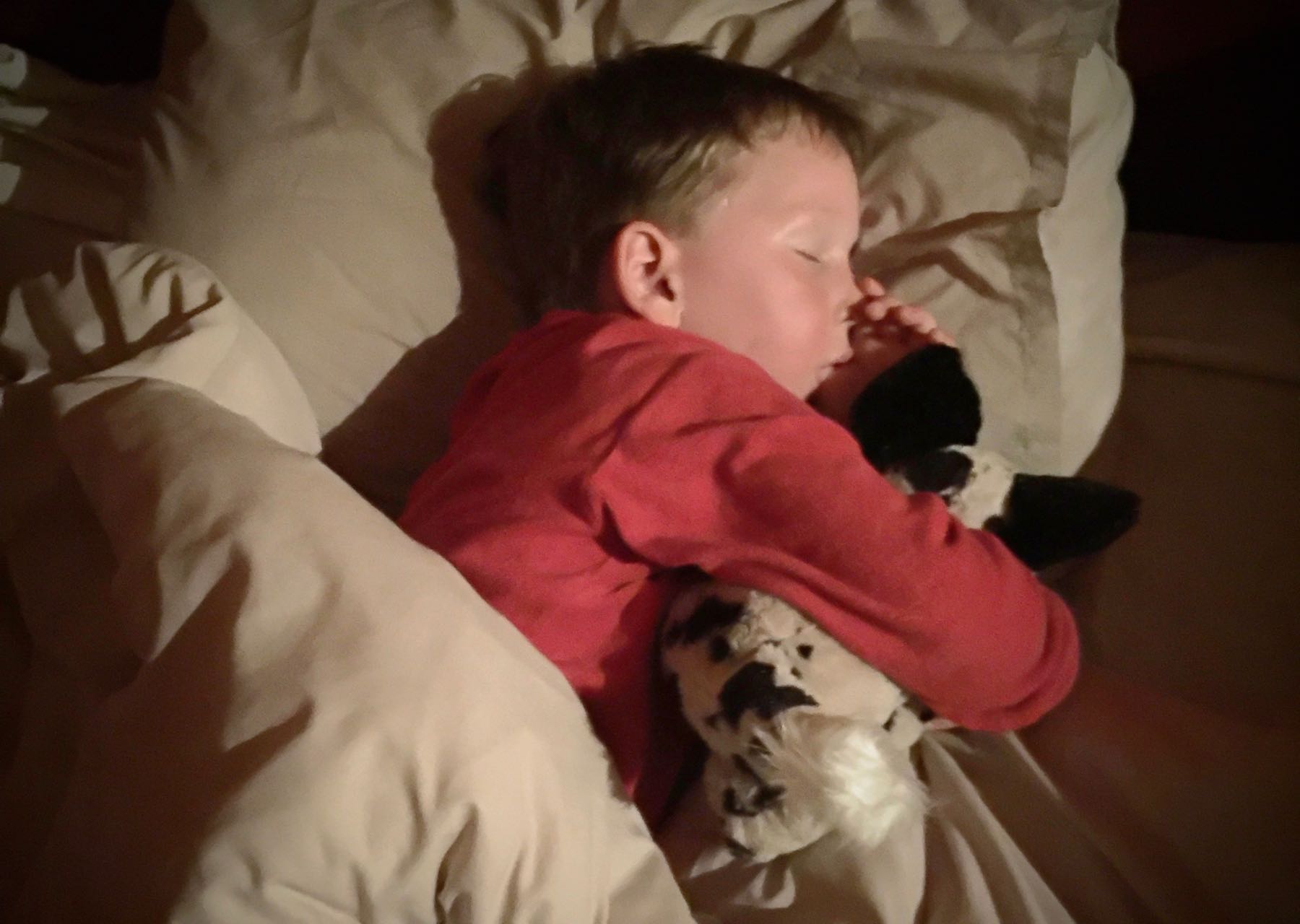
I live in New Zealand, where two items on the national news over this last week really caught my attention. The first was a report that a student at a school in Auckland had been punched by another, causing him to fall and hit his head, which required him to be hospitalised. This was just over a week after another student at another school – this one in Texas – used a shotgun and .38 revolver to kill 10 people and injure 10 others. The second news item occurred just yesterday morning: it was reported that a police dog had been stabbed with a knife. This wasn’t just any news…
-
Challenges involved in Communicating Health Science to rural India
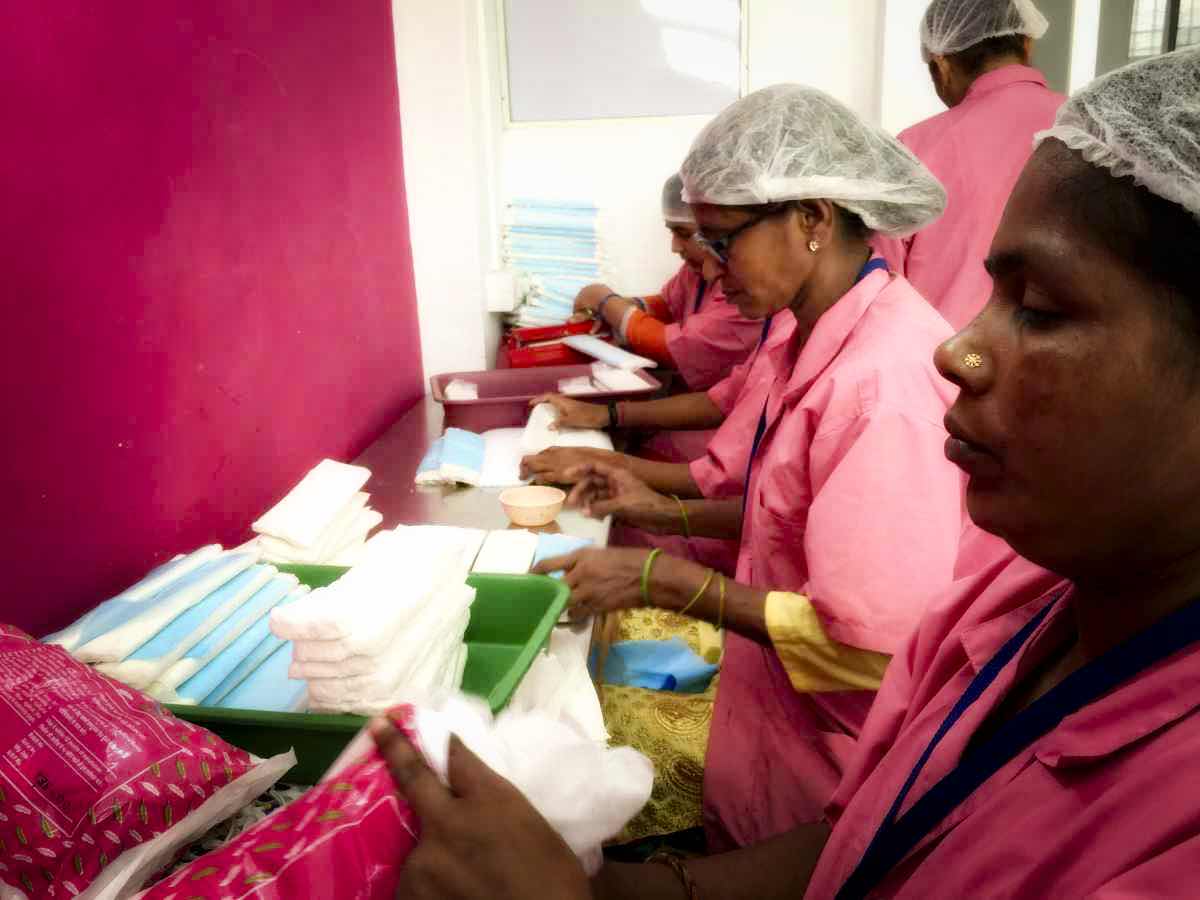
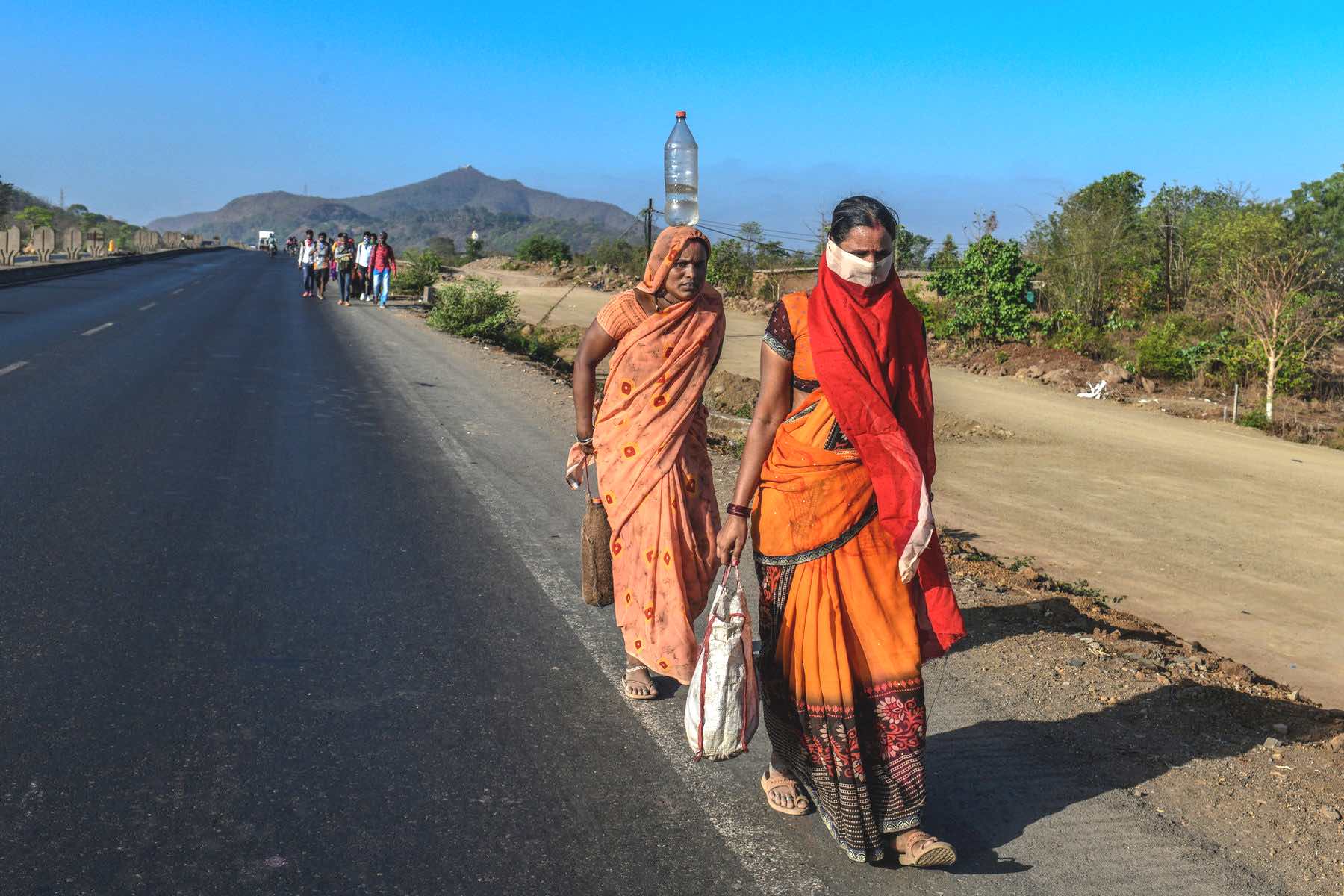
Women still pray and bargain with God to bear a male child We are in the 21st century when research in health and medical science has reached new heights. Newer technologies are abundant but health care for the rural population in India needs to become simpler and offer practical health solutions. The rural-urban divide poses a major challenge to providing health services. We need low-tech health innovations that do not compromise effectiveness. But this is not just one problem: there is a whole list! In India, 70% of the population is rural. People speak 22 different Indian languages in varied dialects all across the country. Although the national language is…
-
Science Communication should wear its Heart more on its Sleeve
Recently, I was a co-author of a paper published in the journal Environmental Communication examining the differences and similarities between science communication and environmental communication. The paper covers many aspects, from the historical development of each field of study to overlaps in scope and differences in focus. However, there was one point that emerged from our review that seemed more salient to me than all the rest; at least as it applies to those of us who purport to be science communicators. Almost all science communication is concerned with the transfer of knowledge about issues involving science and technology. Yet, much like the discipline we report on, science communicators tend…
-
Citizen Science is not all it is cracked up to be
William Shakespeare wrote the play As You Like It over 400 years ago. It contains a famous monologue, often referred to as the Seven Ages of Man – although, if Bill were writing it today, it should no doubt be called the Seven Ages of Humans. It begins, “All the world’s a stage, and all the men and women merely players.” The major point that Shakespeare makes is that there are several ages (seven to be precise) or acts that we go through as we mature. It is not too much of a stretch to suggest that stages of maturation are common to any growing thing, even something as obtuse…
-
Come to Middle Earth for PCST 2018
For my sins, I am the Chair of the Local Organising Committee for the PCST (Public Communication of Science and Technology) Conference, 2018. This is the largest and most significant international meeting of science communicators and it occurs every two years. From 3 – 6 April, it shall be held in New Zealand for the first time, attracting over 500 of the world’s science communicators – a mixture of both researchers and practitioners – to our wee part of the globe, or Middle Earth as Sir Peter Jackson likes to call it. Science Communication is a relatively new field and these gatherings assume an importance not unlike the migrations of…
-
Let’s Communicate Science with Football
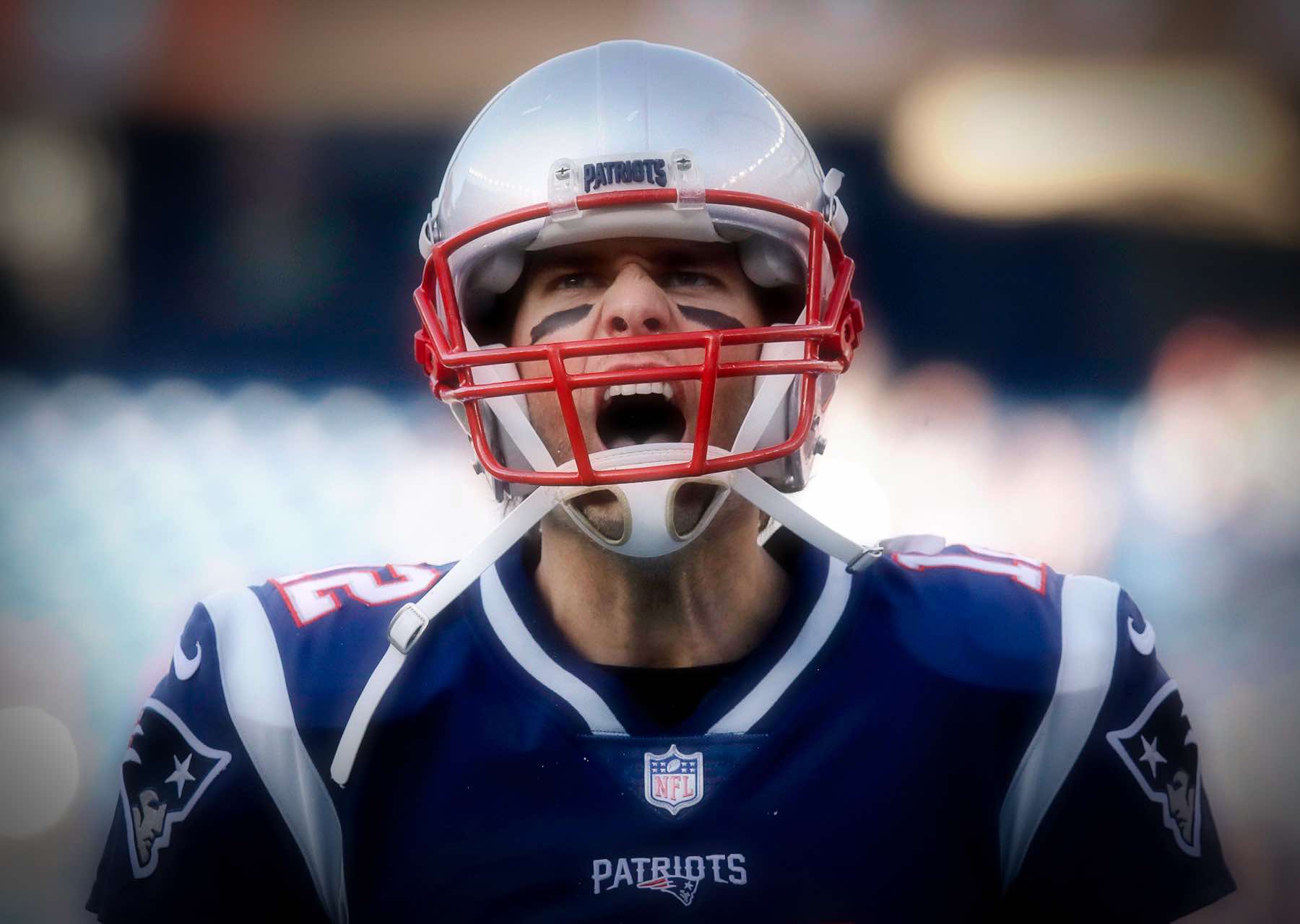
Today I watched the magnificent Tom Brady lead the Patriots to a win in the American Football Conference Finals over the Jaguars and gain yet another berth in a Super Bowl. It was a remarkable game that the Jaguars could easily have won – probably should have won – were it not for the Tom Factor. Behind throughout, the Patriots went into the final quarter with only 10 points to the Jaguars’ 20. Yet two touchdown drives, directed by the unflappable Mr Brady, left the Patriots as eventual four-point winners. It is hard not to feel both awed and meagre when admiring the feats of Brady, in a similar way…
-
Grand Canyon
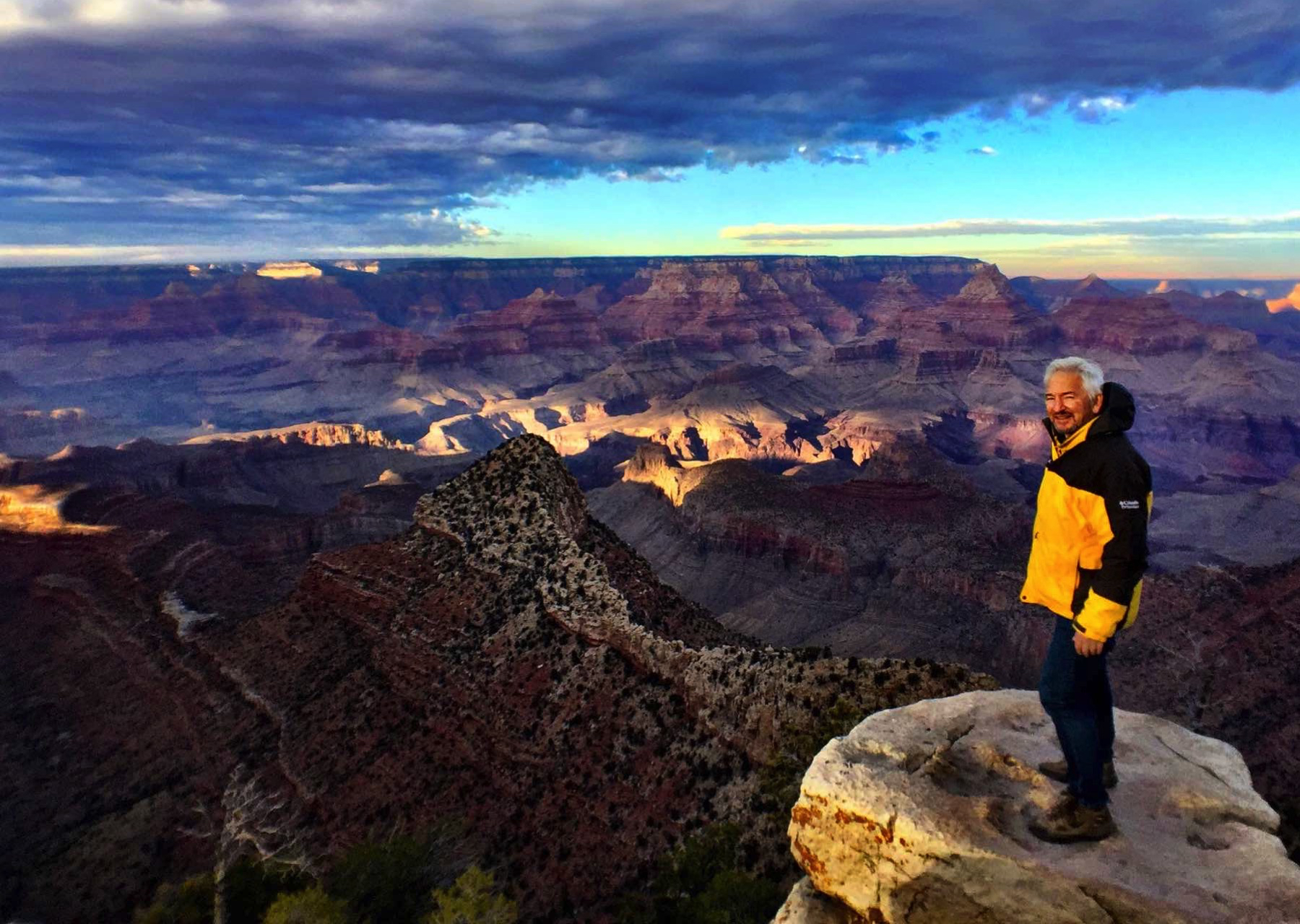
The Grand Canyon: natural wonder of the world. I’ve been there a few times now and the sight of it never fails to stop me. Stop me dead in my tracks, overcome by its immeasurable size and layered, many-coloured, beauty. It seems to me that I even stop breathing because there is simply no breath left for the expletives of awe and joy that fill me but, uncharacteristically, never leave my body. Previously, however, I had never walked down into the canyon, and it was this that was the object of my being there two weeks ago. To look at the Grand Canyon is not just to see the world’s…
-
Time to Stand Up
Where to start? I’m 63. I have a title: the Stuart Professor of Science Communication. But what does it all mean? I started my professional life as a scientist, as wedded to the notion of a testable hypothesis as any human can be. Earlier, as a boy, I had been drawn to science by some of the 20th Century’s greatest popularisers of science: David Attenborough, Jacques Cousteau, Gerald Durrell, Desmond Morris, Carl Sagan and Rachel Carson. I’ve always appreciated the schism that exists between the doing and the telling. If in my head I was a scientist, in my heart I leant towards science communication. Now, I find myself as…