-
Yes, Science Communication should get involved with Gun Control!
Just nine months ago, I posed the question: should science communication get involved with gun control? I noted the number of homicides committed by using guns in New Zealand (5 in 2014) compared to the United States (over 15,000 in 2016). Ten days ago, one lone gunman with a collection of semi-automatic assault rifles killed 50 people in Christchurch: ten years’ accumulation of homicides in a matter of minutes! Apart from the tragedy of it all, it underscores just how lethal these weapons can be in the wrong hands and that countries like New Zealand and Norway, with high per capita gun ownership but low homicide rates, cannot be complacent.…
-
Gun Control: should Science Communication get Involved?
I live in New Zealand, where two items on the national news over this last week really caught my attention. The first was a report that a student at a school in Auckland had been punched by another, causing him to fall and hit his head, which required him to be hospitalised. This was just over a week after another student at another school – this one in Texas – used a shotgun and .38 revolver to kill 10 people and injure 10 others. The second news item occurred just yesterday morning: it was reported that a police dog had been stabbed with a knife. This wasn’t just any news…
-
Challenges involved in Communicating Health Science to rural India
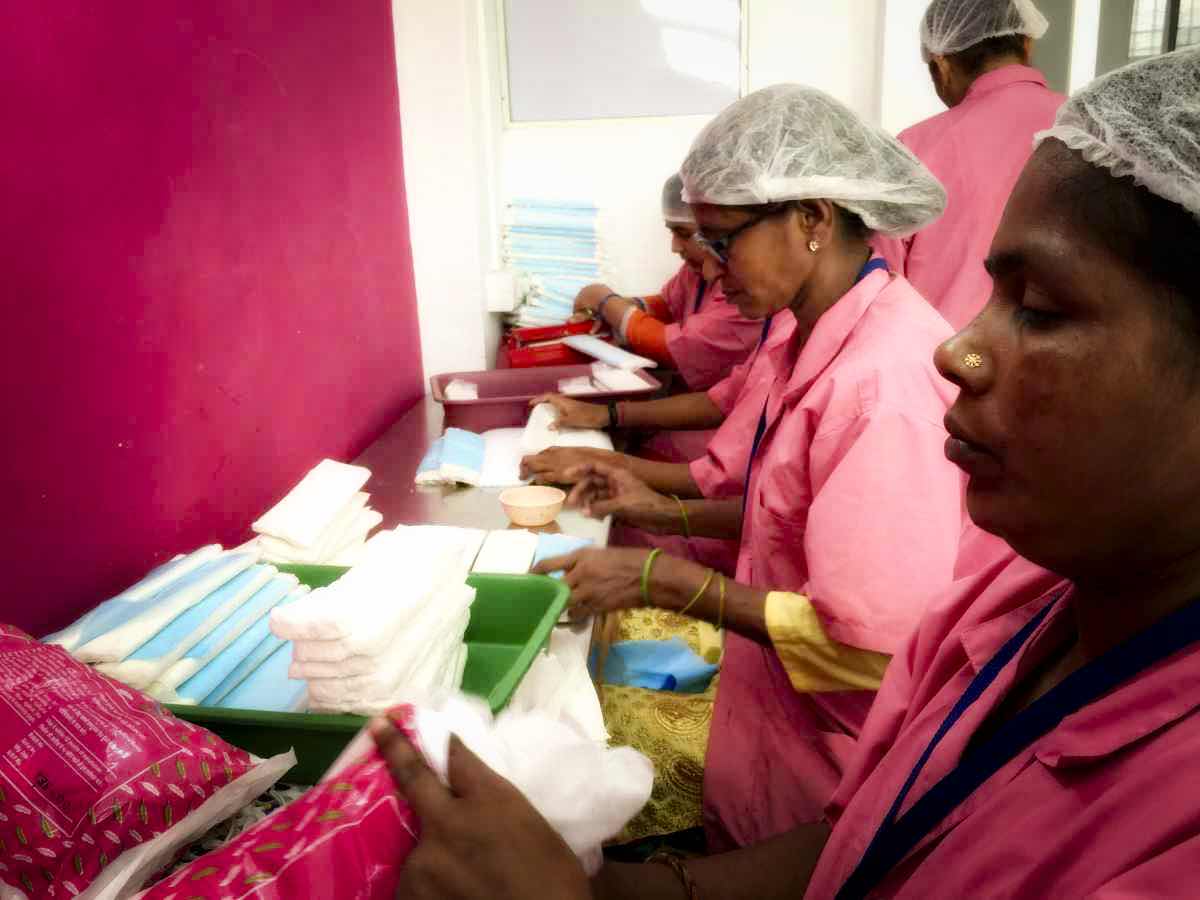
Women still pray and bargain with God to bear a male child We are in the 21st century when research in health and medical science has reached new heights. Newer technologies are abundant but health care for the rural population in India needs to become simpler and offer practical health solutions. The rural-urban divide poses a major challenge to providing health services. We need low-tech health innovations that do not compromise effectiveness. But this is not just one problem: there is a whole list! In India, 70% of the population is rural. People speak 22 different Indian languages in varied dialects all across the country. Although the national language is…
-
Science Communication should wear its Heart more on its Sleeve
Recently, I was a co-author of a paper published in the journal Environmental Communication examining the differences and similarities between science communication and environmental communication. The paper covers many aspects, from the historical development of each field of study to overlaps in scope and differences in focus. However, there was one point that emerged from our review that seemed more salient to me than all the rest; at least as it applies to those of us who purport to be science communicators. Almost all science communication is concerned with the transfer of knowledge about issues involving science and technology. Yet, much like the discipline we report on, science communicators tend…
-
Is Writing Becoming an Irrelevant form of Communication?
It takes a lot of confidence to call yourself a writer. I had published several books and won a handful of awards before I dared to put my occupation down as “writer” on any form. It was a seminal moment in my life, one that I remember well: the first time I let myself believe that I actually deserved to be called a writer. And yet, I have always been a writer. Just as I need to breathe in order to get oxygen to the cells in my body, I need to write in order to derive a type of satisfaction for my soul that comes only from writing. I…
-
Come to Middle Earth for PCST 2018
For my sins, I am the Chair of the Local Organising Committee for the PCST (Public Communication of Science and Technology) Conference, 2018. This is the largest and most significant international meeting of science communicators and it occurs every two years. From 3 – 6 April, it shall be held in New Zealand for the first time, attracting over 500 of the world’s science communicators – a mixture of both researchers and practitioners – to our wee part of the globe, or Middle Earth as Sir Peter Jackson likes to call it. Science Communication is a relatively new field and these gatherings assume an importance not unlike the migrations of…
-
Time to Stand Up
Where to start? I’m 63. I have a title: the Stuart Professor of Science Communication. But what does it all mean? I started my professional life as a scientist, as wedded to the notion of a testable hypothesis as any human can be. Earlier, as a boy, I had been drawn to science by some of the 20th Century’s greatest popularisers of science: David Attenborough, Jacques Cousteau, Gerald Durrell, Desmond Morris, Carl Sagan and Rachel Carson. I’ve always appreciated the schism that exists between the doing and the telling. If in my head I was a scientist, in my heart I leant towards science communication. Now, I find myself as…